US-Iran 2-Week Ceasefire Agreed: Hormuz Reopens | MEA Urges Indians to Leave Immediately.
Iran-US Ceasefire News Live: Two-Week Truce Agreed, Hormuz Reopening Key Condition | MEA Urges Indians to Evacuate Immediately. Breaking: US and Iran Announce Temporary Two-Week Ceasefire April 8, 2026.
In a dramatic diplomatic breakthrough, the United States and Iran have agreed to a temporary two-week ceasefire, pausing the recent joint American-Israeli military campaign against Iranian targets. In exchange, Tehran has committed to reopening the Strait of Hormuz, a critical chokepoint for global oil and gas trade that had been severely disrupted.
US, Iran to pause war, agree to 2-week ceasefire
US, Iran to pause war, agree to 2-week ceasefire
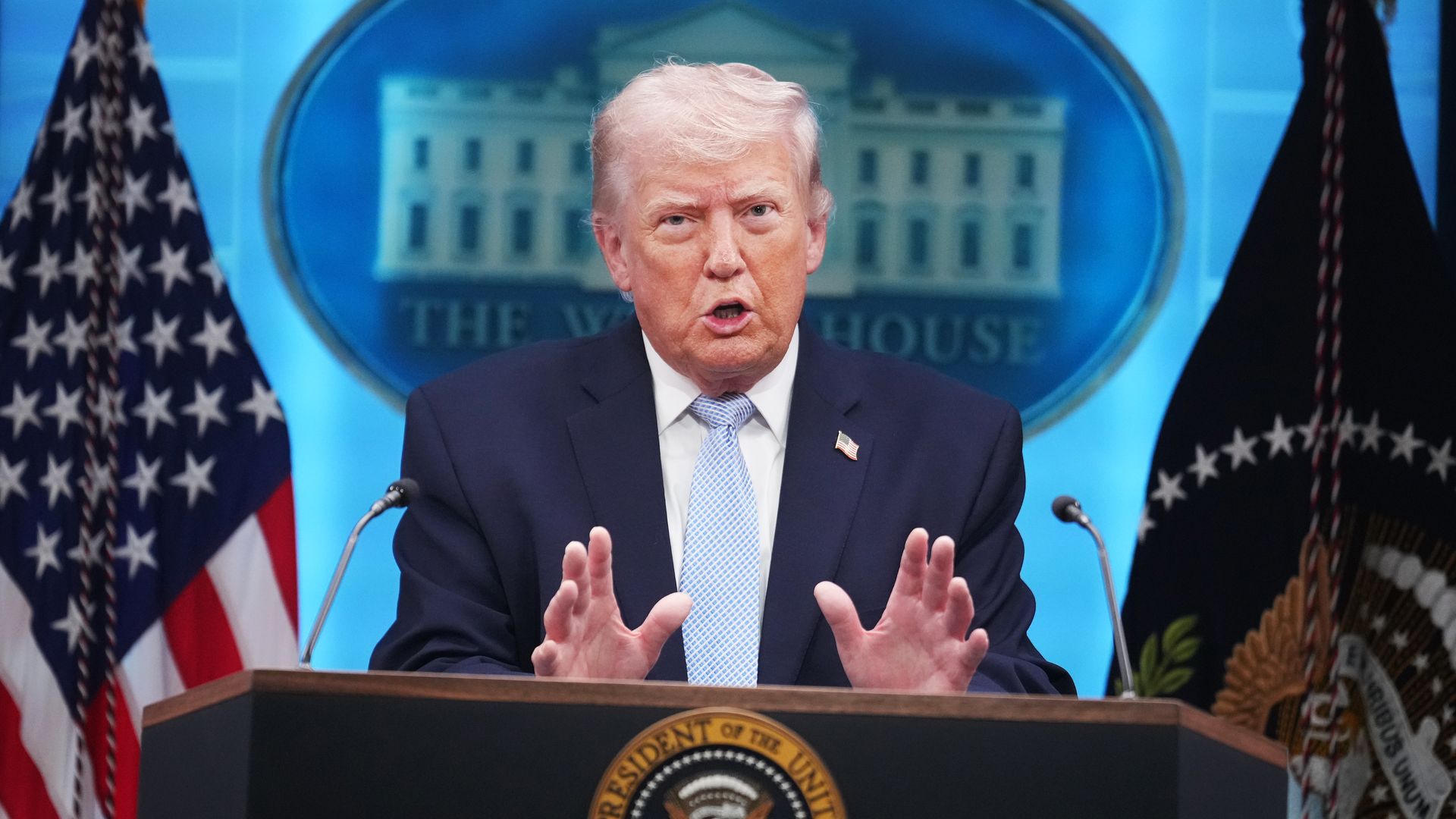
President Donald Trump confirmed the development, stating that the US would “help” ensure safe maritime traffic through the Strait of Hormuz during the truce period. The announcement has sent shockwaves through global markets, diplomatic circles, and energy sectors.
India’s Urgent Advisory: MEA Asks Indians to Leave Iran Immediately.
India’s Ministry of External Affairs (MEA) has issued an immediate travel advisory, strongly urging all Indian nationals in Iran to leave the country at the earliest. With the ceasefire being temporary, New Delhi is prioritizing the safety of its citizens amid ongoing regional volatility. Special evacuation flights are being coordinated, and the Indian Embassy in Tehran is assisting with logistics.
Over 20,000 Indians are estimated to be in Iran, many working in various sectors. The advisory comes as a precautionary measure even as the ceasefire offers a window of de-escalation.
India’s Urgent Advisory: MEA Asks Indians to Leave Iran Immediately.
India’s Ministry of External Affairs (MEA) has issued an immediate travel advisory, strongly urging all Indian nationals in Iran to leave the country at the earliest. With the ceasefire being temporary, New Delhi is prioritizing the safety of its citizens amid ongoing regional volatility. Special evacuation flights are being coordinated, and the Indian Embassy in Tehran is assisting with logistics.
Over 20,000 Indians are estimated to be in Iran, many working in various sectors. The advisory comes as a precautionary measure even as the ceasefire offers a window of de-escalation.
Global Reactions Pour In
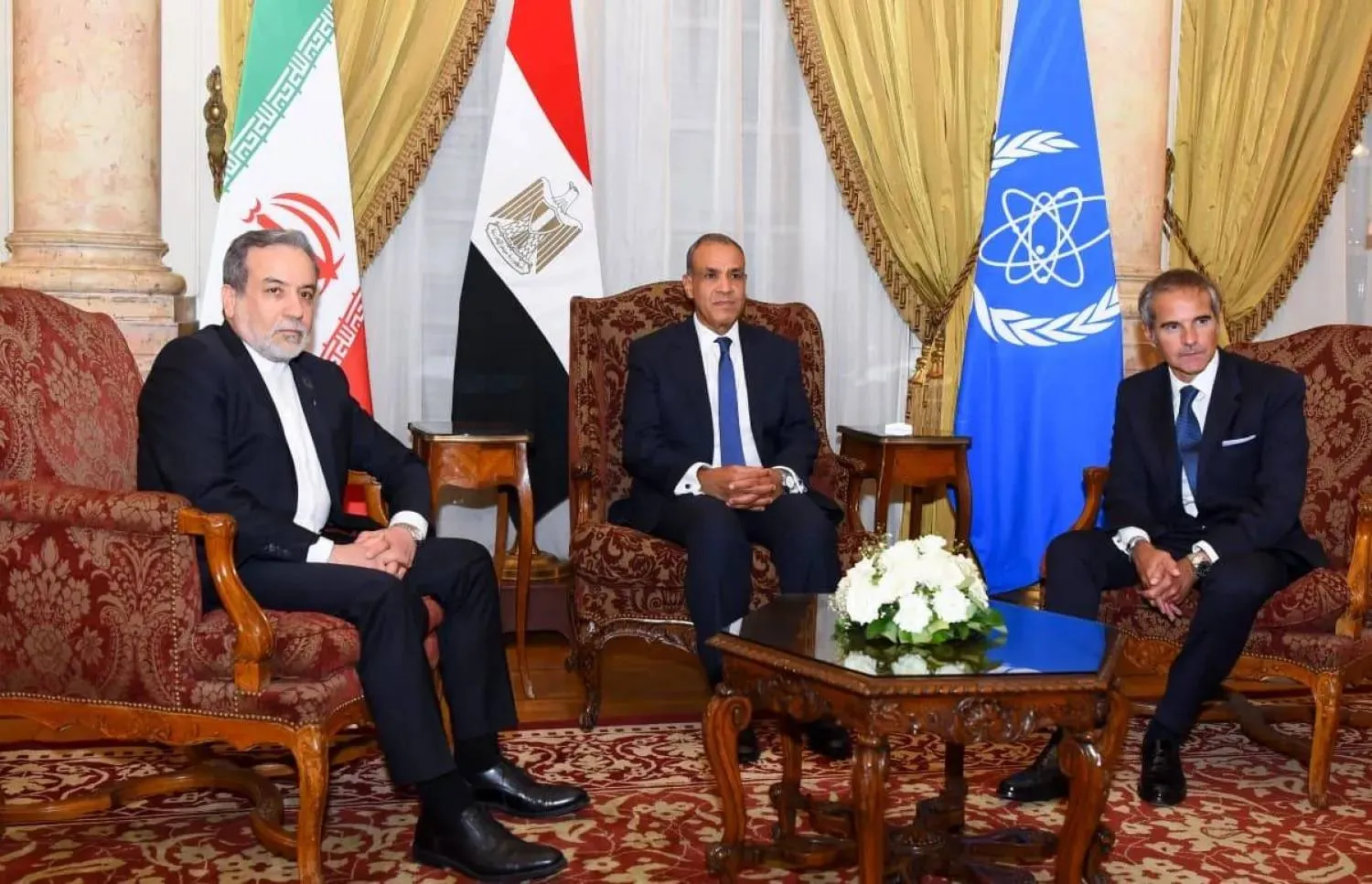
Egypt Hails US Move as “Giving Diplomacy a Chance” Egypt has warmly welcomed the ceasefire. In an overnight call with US envoy Steve Witkoff, Egyptian Foreign Minister Badr Abdelatty expressed appreciation for Washington’s decision. Egypt, which played a key mediation role alongside Pakistan and Turkey, described the truce as a “crucial opportunity” for serious American-Iranian negotiations.

Mass Celebrations Erupt Across Kashmir In a striking regional reaction, celebrations broke out in several parts of Jammu and Kashmir, particularly in Shia-dominated areas. Crowds in Srinagar’s Saidakadal and Zadibal, as well as districts like Budgam, Baramulla, Ganderbal, Pulwama, and Bandipora, took to the streets waving Iranian flags, bursting crackers, and distributing Kashmiri kehwa. Many described the ceasefire as a “victory for the Islamic Republic.”
UK’s Keir Starmer Heads to the Gulf British Prime Minister Keir Starmer will travel to the Gulf today to engage with regional partners on ensuring the permanent reopening of the Strait of Hormuz. Starmer welcomed the ceasefire but emphasized the need to convert it into a lasting agreement. His visit comes despite recent criticism from President Trump over the UK’s limited support for strikes on Iran.
Market Impact: European Gas Prices Plunge 20%
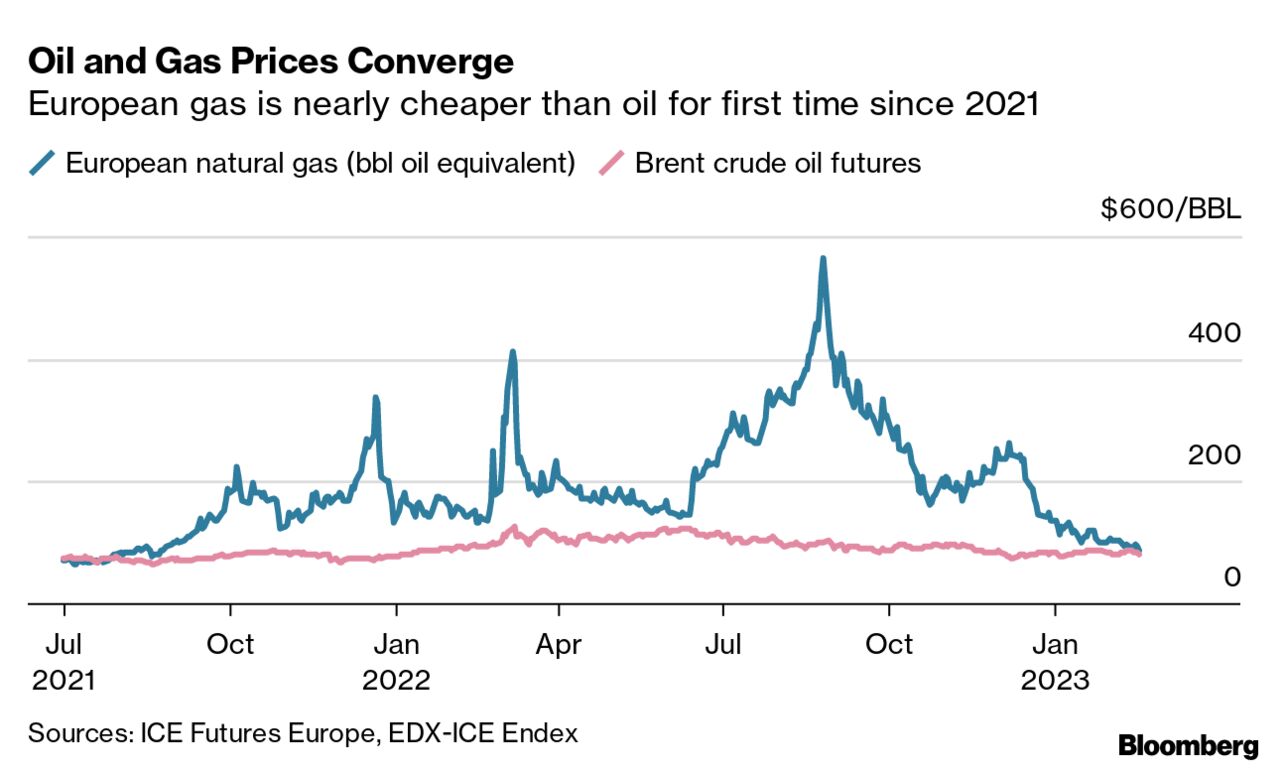
Energy markets reacted swiftly. European natural gas prices opened 20% lower, with the Dutch TTF benchmark falling to around 42.5 euros per megawatt-hour. The relief stems from reduced fears of prolonged disruption in the Gulf, a vital source for global energy supplies.

In-Depth Analysis: What Does This Ceasefire Mean?
1. Strategic Importance of the Strait of Hormuz
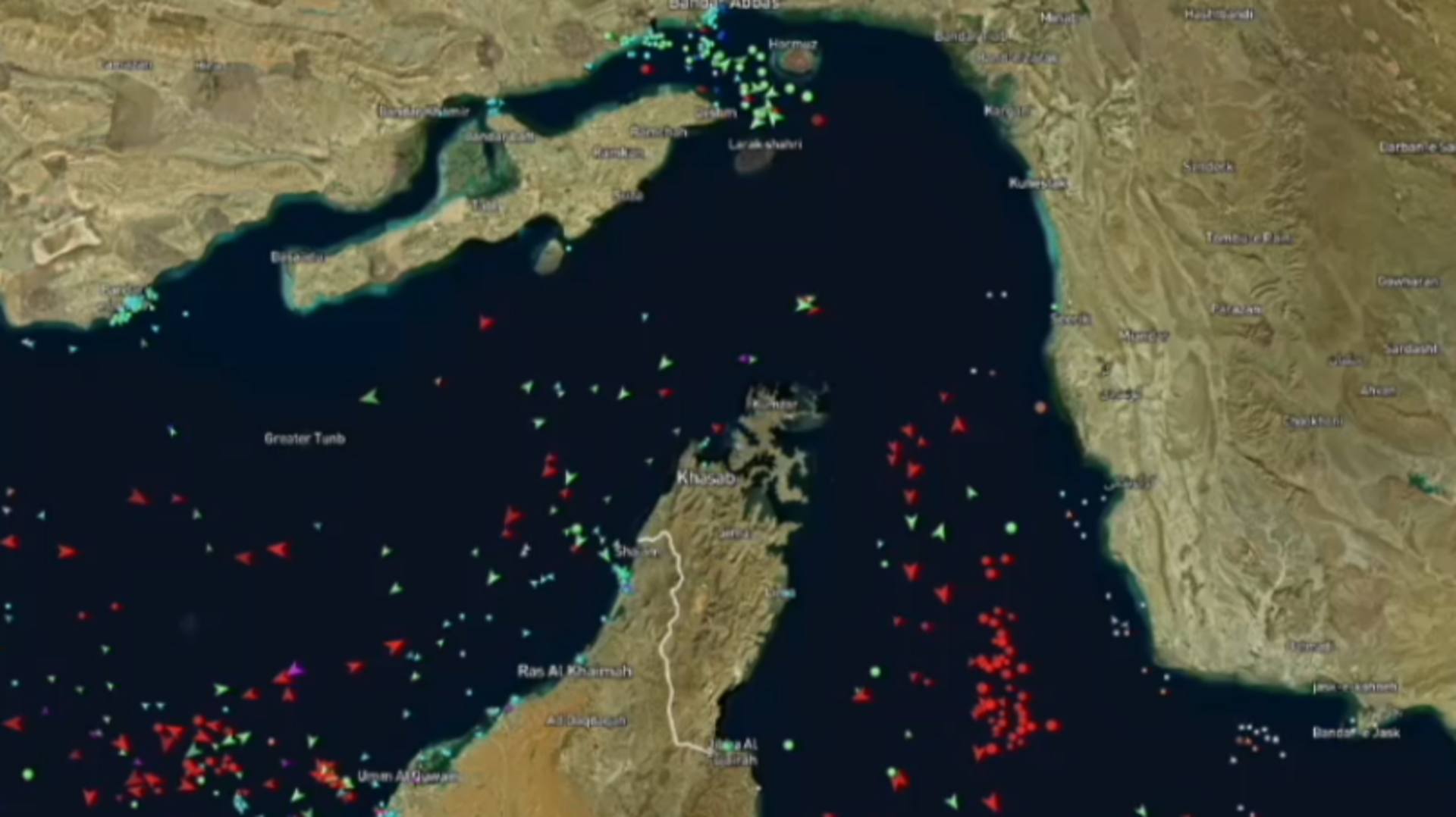
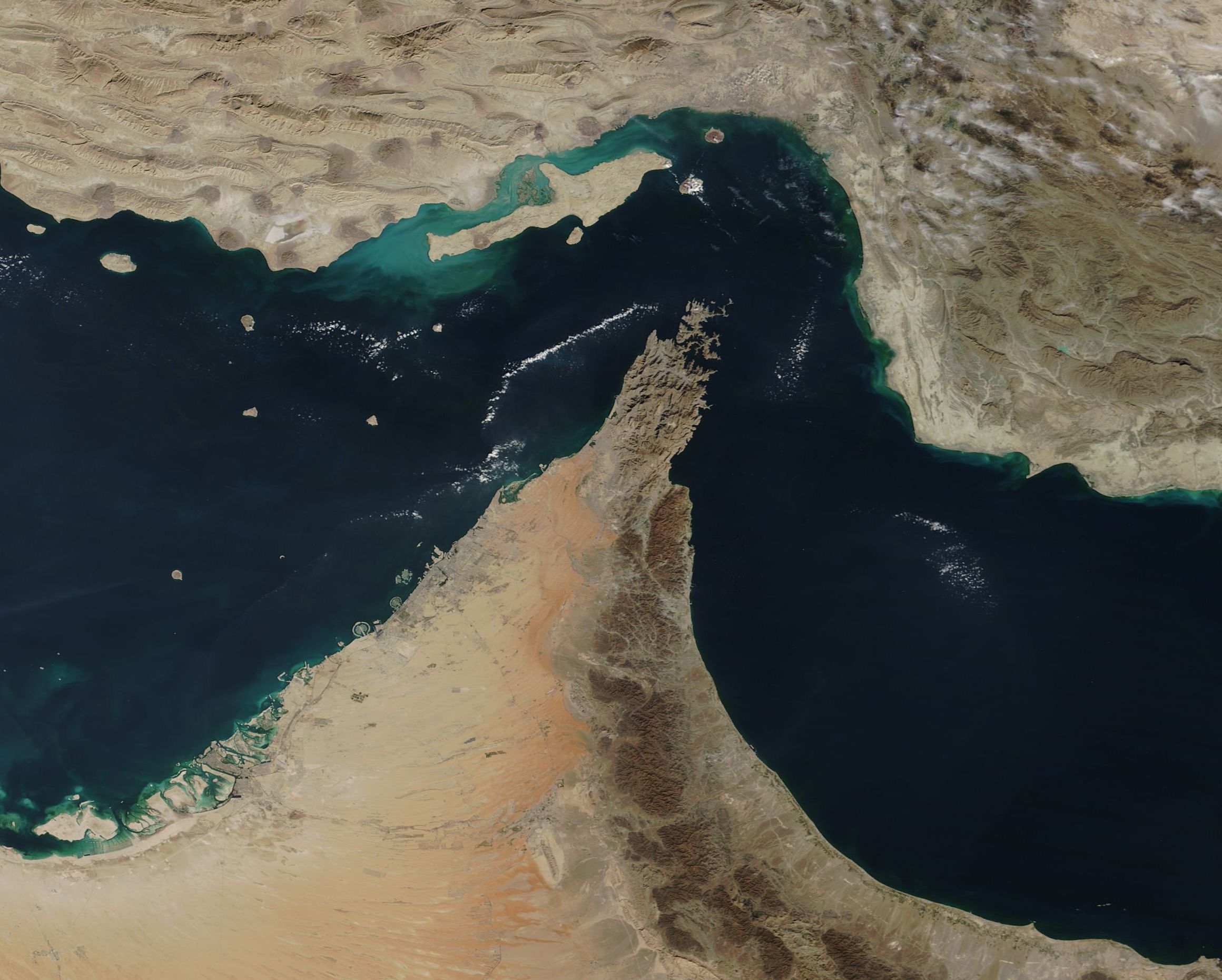
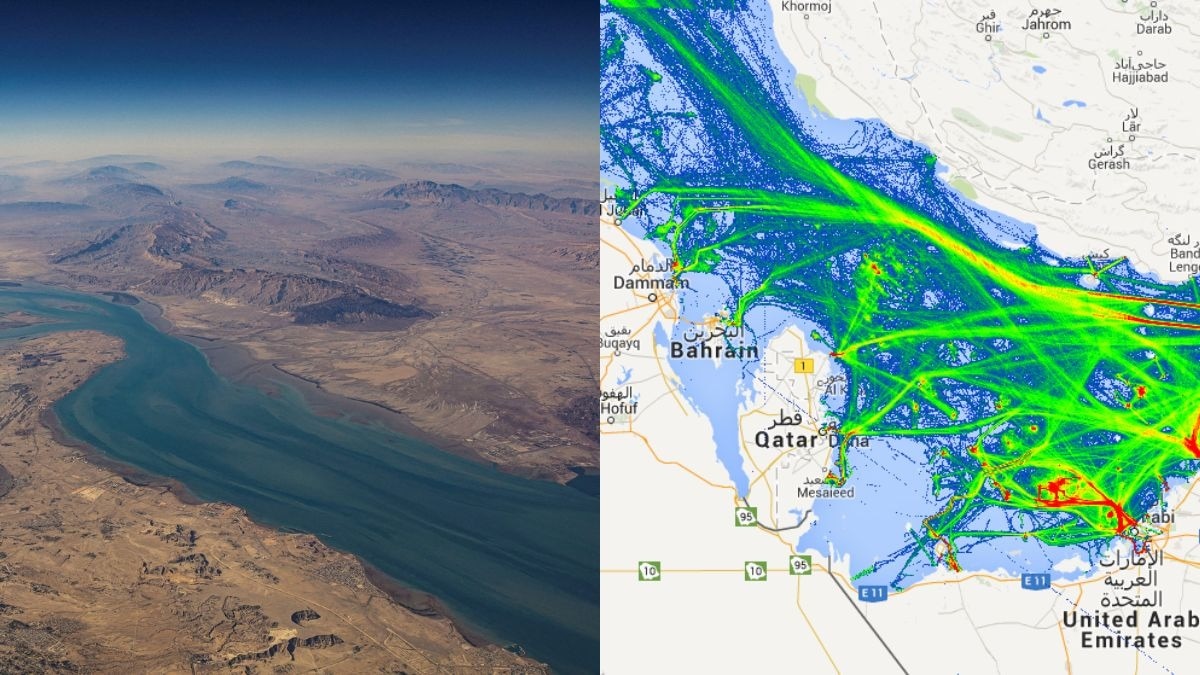
The Strait of Hormuz, a narrow waterway between Iran and Oman, handles nearly 20-30% of global seaborne oil trade. Its closure or disruption in recent weeks had spiked oil prices and created supply chain fears worldwide. Reopening it under the ceasefire is the central concession from Iran. US assurances of “help” with traffic likely involve naval presence or monitoring to ensure safe passage.
Timelapse shows change in the flow of ships in the Strait of Hormuz
2. Background of the Conflict
Tensions escalated after Israeli strikes on Iranian nuclear and military sites, followed by US involvement. The joint campaign aimed at degrading Iran’s capabilities but risked broader regional war. The two-week pause provides breathing room for backchannel diplomacy involving Egypt, Turkey, Pakistan, and others.
Tensions escalated after Israeli strikes on Iranian nuclear and military sites, followed by US involvement. The joint campaign aimed at degrading Iran’s capabilities but risked broader regional war. The two-week pause provides breathing room for backchannel diplomacy involving Egypt, Turkey, Pakistan, and others.
3. Diplomatic Dynamics
Trump’s Role: The US President framed the ceasefire as a pragmatic step, balancing military pressure with negotiation.
Iran’s Position: Tehran views the truce as a face-saving measure while maintaining its regional influence.
Regional Players: Saudi Arabia, UAE, and Israel are watching closely. Israel has not yet commented officially on the pause.
4. Economic and Geopolitical Implications
Oil & Gas Markets: Beyond the immediate 20% drop in European gas, analysts expect Brent crude to stabilize or decline further if the truce holds.
Global Shipping: Insurance premiums for vessels in the Gulf are expected to ease.
India’s Stakes: As a major importer of Iranian oil in the past and with significant diaspora presence, India has high stakes in stability. The MEA’s evacuation call reflects caution.
5. Risks and Challenges Ahead
The ceasefire is only for two weeks. Key issues remain unresolved: Iran’s nuclear program, regional proxy conflicts, and sanctions. Any violation could rapidly escalate tensions again.
Live Updates Timeline (Compiled)
Overnight: US and Iran reach agreement via intermediaries.
Early Morning: Trump announces pause in operations and US support for Hormuz traffic.
MEA Advisory Issued: Indians urged to leave Iran.
Egypt Statement: Praise for diplomatic efforts.
Kashmir Celebrations: Spontaneous public rejoicing.
Starmer’s Gulf Visit Confirmed.
Markets Open: European gas crashes 20%.
Expert Voices and Broader Context
International relations experts describe this as a classic “pause for talks” moment in high-stakes geopolitics. The involvement of multiple mediators (Egypt, Turkey, Pakistan) shows a multilateral approach rarely seen in recent US-Iran tensions.
For India, the situation highlights the importance of energy security and citizen safety in conflict zones. The government is also monitoring the impact on Indian expatriates in Gulf countries.
What to Expect in the Coming Days
Diplomatic Shuttle: Intense negotiations expected in the next 48 hours.
Market Volatility: Continued monitoring of energy prices.
Evacuation Operations: India likely to ramp up flights from Iran.
Second Leg of Ceasefire: Focus on whether it extends beyond two weeks.
This ceasefire, while temporary, offers a rare window of hope in one of the world’s most volatile regions. Whether it leads to a lasting de-escalation or merely a short breather remains to be seen. The world will be watching the Strait of Hormuz closely in the days ahead.
Stay tuned for live updates. Global leaders, markets, and millions in the region are holding their breath as diplomacy takes center stage once again.
Comments
Post a Comment