Liverpool vs Brighton: Welbeck Brace Seals 2-1 Reds Defeat.

Liverpool confirmed their starting XI for the Premier League clash against Brighton & Hove Albion at the Amex Stadium on Saturday, March 21, 2026, with Arne Slot making two enforced changes due to injuries.
Liverpool vs Brighton: Welbeck Brace Seals 2-1 Defeat for the Reds.
Liverpool suffered a 2-1 defeat against Brighton and Hove Albion at the Amex Stadium on Saturday, 21 March 2026, as Danny Welbeck scored twice to secure three valuable Premier League points for the hosts. Milos Kerkez briefly restored parity for the visitors, but Welbeck's second-half strike proved decisive.
Liverpool made two changes to their starting line-up, with Cody Gakpo replacing the absent Mohamed Salah and Giorgi Mamardashvili starting in goal instead of the injured Alisson Becker. However, the Reds faced another setback when Hugo Ekitike was forced off early in the match.
The result highlighted Liverpool's injury difficulties and Brighton's ability to capitalise on important moments in a competitive league encounter.
Match Details: Brighton vs Liverpool
Competition: Premier League
Date: Saturday, 21 March 2026
Venue: Amex Stadium, Brighton, England
Final score: Brighton 2–1 Liverpool
Brighton scorers: Danny Welbeck (14', 56')
Liverpool scorer: Milos Kerkez (30')
Key storyline: Welbeck's decisive brace and Liverpool's injury problems
Confirmed Liverpool Starting XI
Liverpool manager Arne Slot made two changes to his starting team before the match.
Liverpool starting XI: Giorgi Mamardashvili; Jeremie Frimpong, Ibrahima Konaté, Virgil van Dijk, Milos Kerkez; Ryan Gravenberch, Dominik Szoboszlai, Florian Wirtz, Alexis Mac Allister, Cody Gakpo, Hugo Ekitike.
Substitutes: Freddie Woodman, Joe Gomez, Federico Chiesa, Curtis Jones, Andy Robertson, Trey Nyoni, Calvin Ramsay, Kieran Morrison and Rio Ngumoha.
Mamardashvili replaced Alisson Becker, who was unavailable through injury, while Gakpo came into the side in place of Mohamed Salah.
The changes required Liverpool to adjust their attacking options and goalkeeper selection for a challenging away fixture. The early loss of Ekitike made the task even harder.
First Half: Brighton Strike First
Brighton started confidently and took the lead in the 14th minute through Danny Welbeck. The striker headed home following an attacking move involving Diego Gómez, giving the hosts an early advantage.
Liverpool responded by trying to establish control in midfield. Alexis Mac Allister and other attacking players looked for opportunities to break through Brighton's defensive structure, while Szoboszlai helped drive the team forward.
Milos Kerkez Equalises for Liverpool
Liverpool found their equaliser in the 30th minute through left-back Milos Kerkez.
Brighton captain Lewis Dunk attempted to deal with a long ball, but Kerkez reacted quickly to the loose ball and produced a clever finish over goalkeeper Bart Verbruggen.
The goal made it 1–1 and gave Liverpool renewed hope of taking points from the match. Kerkez's alertness demonstrated how quickly a defensive situation can become an attacking opportunity in the Premier League.
However, Liverpool were unable to turn their equaliser into a sustained advantage. Brighton continued to create dangerous moments, while the visitors had to manage their attacking plans after Ekitike's early withdrawal.
Hugo Ekitike Injury Adds to Liverpool's Problems
Liverpool suffered an early setback when Hugo Ekitike picked up a knock and was replaced by Curtis Jones in the eighth minute.
Losing a forward so early disrupted the team's original attacking plan. Slot had already been without Salah, meaning Liverpool had fewer familiar options available in the forward line.
Gakpo offered versatility and could operate in different attacking positions, but an early substitution also affected Liverpool's ability to make further tactical adjustments later in the contest.
In a demanding Premier League campaign, these interruptions can be significant. Managers must balance tactical plans, player fitness and the need to maintain attacking quality over the full 90 minutes.
Second Half: Welbeck Delivers the Decisive Blow
Brighton returned from half-time determined to regain their advantage. The home side continued to attack with purpose, using wide areas and movement around Liverpool's defensive line to create opportunities.
Danny Welbeck Scores His Second Goal
Brighton regained the lead in the 56th minute when Welbeck scored his second goal of the match.
The move developed down the left, with Yankuba Minteh providing a dangerous delivery and Jack Hinshelwood helping create the finishing opportunity. Welbeck was in the right position to convert from close range.
The goal made it 2–1 and ultimately settled the contest.
Welbeck's brace underlined his importance to Brighton's attack. His movement inside the penalty area, positioning and ability to finish from close range gave Liverpool's defence problems throughout the match.
Liverpool attempted to respond, but Brighton defended their advantage effectively and prevented the visitors from finding another equaliser.
Match Statistics: Brighton 2–1 Liverpool
StatisticBrightonLiverpool
Final score 2 1
Total shots 16 12
Shots on target 7 5
Possession 47% 53%
Corners 4 8
Saves 4 4
Source: Brighton and Hove Albion's official match-centre statistics.
The numbers show that Liverpool enjoyed slightly more possession and won more corners, but Brighton registered more shots and shots on target.
This difference illustrates an important aspect of football analysis: possession does not automatically translate into goals. Teams must turn possession into clear chances, execute their final passes and finish effectively.
Brighton were more clinical in the decisive moments, with Welbeck converting twice. Liverpool created opportunities but could not find the goal required to rescue a point.
Tactical Analysis: Why Brighton Beat Liverpool
Brighton's victory was built on effective attacking movement and their ability to exploit opportunities in the final third.
1. Brighton Made Their Chances Count
The hosts scored twice from dangerous attacking situations. Welbeck's first goal established an early advantage, while his second restored Brighton's lead after Kerkez's equaliser.
Liverpool had more possession, but Brighton's direct attacking movements repeatedly tested the visitors' defensive organisation.
2. Liverpool's Attacking Plans Were Disrupted
Salah's absence meant Gakpo had to take on greater responsibility in the forward line. Ekitike's early injury then forced another adjustment before the match had properly developed.
These changes limited Slot's ability to rely on his preferred attacking combinations and made the contest more difficult for Liverpool.
3. Brighton Showed Greater Efficiency
Liverpool registered eight corners and had 53% possession, yet they scored only once. Brighton, meanwhile, converted their key opportunities and defended their lead.
The result showed the importance of decision-making in both penalty areas. Liverpool needed better execution in front of goal, while Brighton combined attacking efficiency with sufficient defensive discipline to secure the points.
Arne Slot's Challenge After the Defeat
Slot faced a difficult afternoon at the Amex Stadium, with injuries to important players affecting his preparations and in-game decisions.
The absence of Salah and Alisson required changes to the starting line-up, while Ekitike's early exit forced Liverpool to alter their attacking structure almost immediately.
Liverpool's performance contained some positive moments, particularly Kerkez's equaliser and their ability to retain possession. However, the result showed that controlling the ball is not enough when opponents are more effective in the decisive areas.
The manager's challenge was to assess the team's defensive vulnerabilities, improve attacking efficiency and manage player fitness during the remaining fixtures.
For Liverpool supporters, the main concern was not simply the defeat itself but the effect that recurring injury problems could have on the club's consistency.
What the Result Meant for Brighton and Liverpool
For Brighton, the win provided a significant boost in their push for a strong Premier League finish. Welbeck's two goals rewarded the team's attacking approach and gave the home supporters an important result against established opposition.
Liverpool, meanwhile, lost valuable points in their pursuit of a successful league campaign. The result also increased the pressure to respond positively in subsequent matches.
The fixture demonstrated how narrow the margins can be in elite football. Liverpool had periods of control, but Brighton took advantage of their opportunities and defended their lead when it mattered most.
For both clubs, the performance offered lessons in squad depth, tactical flexibility and the importance of converting possession into meaningful attacking opportunities.
Additional Analysis: What Liverpool Must Improve Next
Liverpool's defeat at Brighton highlighted three areas that deserved attention: injury management, attacking efficiency and defensive concentration.
First, losing Ekitike so early made an already difficult team-selection situation more complicated. Having reliable alternatives in attacking positions is essential when a club competes across multiple competitions.
Second, Liverpool needed to make better use of their possession. Their higher possession share and greater number of corners did not produce enough goals to change the outcome. Improving the quality of final passes and finishing could make a difference in similarly close fixtures.
Third, defensive concentration remained crucial. Brighton scored early and then found the winner shortly after half-time, forcing Liverpool to chase the game again.
For Brighton, the performance offered encouragement. Welbeck demonstrated his finishing ability, while the team's attacking movement helped create opportunities against a strong opponent.
Ultimately, the match showed that successful Premier League performances depend on more than individual talent. Tactical organisation, player availability and execution in the penalty areas all contribute to the final result.
Conclusion
Brighton defeated Liverpool 2–1 on 21 March 2026, with Danny Welbeck scoring twice at the Amex Stadium. Milos Kerkez briefly brought Liverpool level, but Welbeck's second-half goal proved decisive.
Liverpool's starting line-up was affected by the absences of Mohamed Salah and Alisson Becker, while Hugo Ekitike's early injury created another challenge for Arne Slot.
Although Liverpool enjoyed more possession and won more corners, Brighton produced more shots on target and made their key chances count.
The result was an important reminder that Premier League matches are often decided by efficiency rather than possession alone. Brighton earned their victory, while Liverpool were left to consider how to improve their attacking output and cope with their injury problems.
What was the biggest reason for Liverpool's defeat: injuries, Brighton's attacking performance or missed opportunities? Share your opinion in the comments.
Cody Gakpo returned to the lineup, stepping in for the injured Mohamed Salah, while Giorgi Mamardashvili replaced Alisson Becker in goal.
The match ended in a disappointing 2-1 defeat for the Reds, with Danny Welbeck scoring twice for Brighton (14' and 56'), sandwiching Milos Kerkez's equalizer (30'). The game was further disrupted early when Hugo Ekitike hobbled off injured after a collision, compounding Liverpool's injury woes.
The match ended in a disappointing 2-1 defeat for the Reds, with Danny Welbeck scoring twice for Brighton (14' and 56'), sandwiching Milos Kerkez's equalizer (30'). The game was further disrupted early when Hugo Ekitike hobbled off injured after a collision, compounding Liverpool's injury woes.
Team News and Changes
Liverpool were forced into two key alterations:
IN: Giorgi Mamardashvili (first league start since November) and Cody Gakpo.
OUT: Alisson (injury) and Mohamed Salah (muscle issue from midweek Champions League action).
This resulted in a 4-2-2-2 formation, with an average starting XI age of 25.3 years — reflecting a blend of youth and experience amid the absences.
The backline remained unchanged, with Jeremie Frimpong retained at right-back alongside Ibrahima Konate, captain Virgil van Dijk, and Milos Kerkez at left-back. In midfield, Ryan Gravenberch and Alexis Mac Allister anchored the base, allowing Dominik Szoboszlai and Florian Wirtz to push forward in advanced roles. Up top, Cody Gakpo partnered Hugo Ekitike in a two-pronged attack.
How Do Liverpool Play Without Mo Salah? - Data Analysis
This tactical setup aimed to maintain attacking fluidity despite the absences, with Wirtz and Szoboszlai providing creativity behind the forwards.


Confirmed Liverpool Starting XI
Mamardashvili; Frimpong, Konate, Van Dijk, Kerkez; Gravenberch, Mac Allister; Szoboszlai, Wirtz; Gakpo, Ekitike
Substitutes: Woodman, Gomez, Robertson, Ramsay, Nyoni, Jones, Morrison, Ngumoha, Chiesa
On the bench, Joe Gomez was fit enough to be included, alongside experienced options like Andy Robertson and Curtis Jones, plus young talents such as Rio Ngumoha.
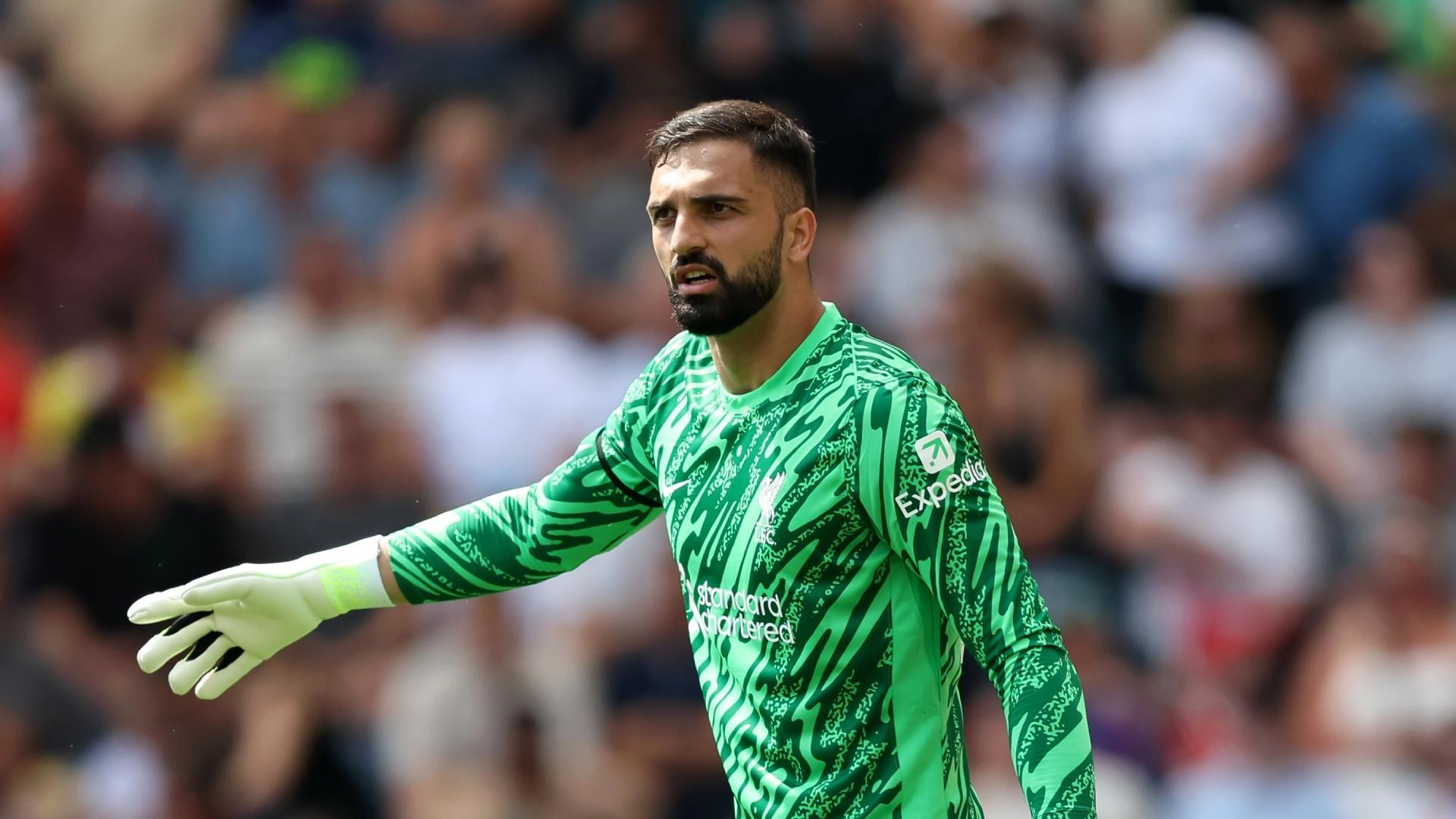
Super saves, leadership and inspiration: What Giorgi Mamardashvili brings to Liverpool.
Confirmed Liverpool Starting XI
Mamardashvili; Frimpong, Konate, Van Dijk, Kerkez; Gravenberch, Mac Allister; Szoboszlai, Wirtz; Gakpo, Ekitike
Substitutes: Woodman, Gomez, Robertson, Ramsay, Nyoni, Jones, Morrison, Ngumoha, Chiesa
On the bench, Joe Gomez was fit enough to be included, alongside experienced options like Andy Robertson and Curtis Jones, plus young talents such as Rio Ngumoha.
Super saves, leadership and inspiration: What Giorgi Mamardashvili brings to Liverpool.
Giorgi Mamardashvili delivered some strong saves to keep Liverpool in the contest despite the defensive lapses, showcasing his leadership and shot-stopping ability in Alisson's absence.
For Brighton, ex-Liverpool player James Milner started in midfield, while Kaoru Mitoma was among the substitutes.
Brighton Starting XI: Verbruggen; Wieffer, Van Hecke, Dunk, Kadioglu; Milner, Gross; Gomez, Hinshelwood, Minteh; Welbeck
Substitutes: Steele, Veltman, De Cuyper, Boscagli, Baleba, Rutter, Ayari, Kostoulas, Mitoma
Cody Gakpo's Return
Cody Gakpo made his return to the starting lineup, replacing Salah on the left or in a forward role. The Dutch forward brought versatility and goal threat, though the team's overall performance was below par in a frustrating afternoon on the south coast.

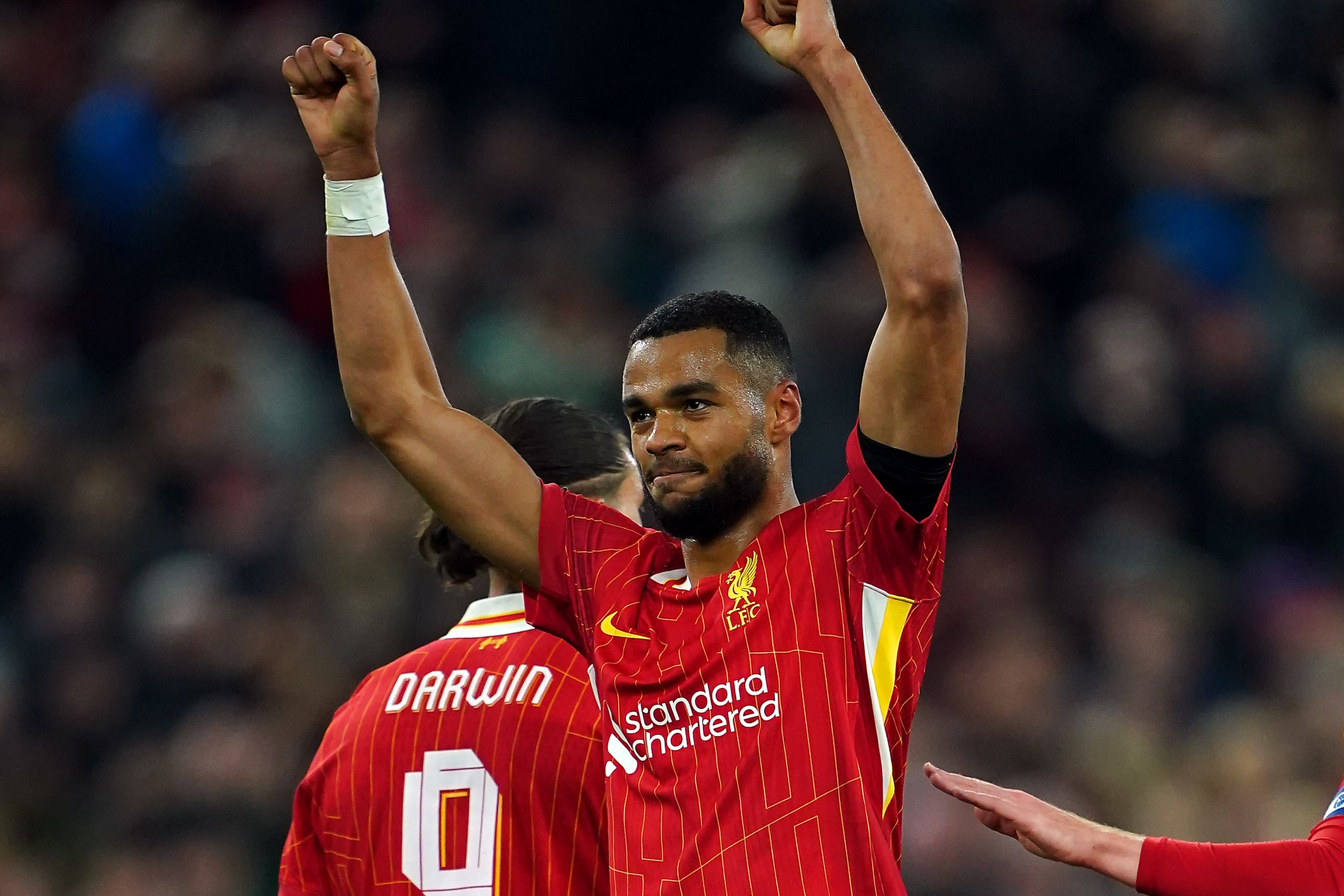
Post-match, Gakpo expressed disappointment, noting the challenges posed by Brighton's possession style and the impact of injuries like Ekitike's early exit. He emphasized the need to fight for wins in remaining matches to secure a Champions League spot.
For Brighton, ex-Liverpool player James Milner started in midfield, while Kaoru Mitoma was among the substitutes.
Brighton Starting XI: Verbruggen; Wieffer, Van Hecke, Dunk, Kadioglu; Milner, Gross; Gomez, Hinshelwood, Minteh; Welbeck
Substitutes: Steele, Veltman, De Cuyper, Boscagli, Baleba, Rutter, Ayari, Kostoulas, Mitoma
Cody Gakpo's Return
Cody Gakpo made his return to the starting lineup, replacing Salah on the left or in a forward role. The Dutch forward brought versatility and goal threat, though the team's overall performance was below par in a frustrating afternoon on the south coast.
Post-match, Gakpo expressed disappointment, noting the challenges posed by Brighton's possession style and the impact of injuries like Ekitike's early exit. He emphasized the need to fight for wins in remaining matches to secure a Champions League spot.
Arne Slot's Perspective
Manager Arne Slot faced a tough task with the quick turnaround and key absences. His decision to retain Frimpong at right-back and opt for a diamond-like midfield structure highlighted an attempt to adapt dynamically.
The defeat extended Liverpool's winless league run to three matches, denting their push for top spots. Slot will now focus on recovery and preparation for upcoming fixtures, with several players pushing for recalls.
This lineup and performance underscored the depth challenges Liverpool faced in March 2026, but the core group — including emerging talents and key returnees like Gakpo — offers hope for a strong finish to the campaign.
Frequently Asked Questions (FAQs)
1. What was the final score of Brighton vs Liverpool?Brighton and Hove Albion defeated Liverpool 2–1 in the Premier League on 21 March 2026.
2. Who scored for Brighton against Liverpool?
Danny Welbeck scored both goals for Brighton, in the 14th and 56th minutes.
3. Who scored Liverpool's goal?
Milos Kerkez scored Liverpool's equaliser in the 30th minute.
4. Why did Cody Gakpo start against Brighton?
Gakpo started in place of Mohamed Salah, who was unavailable for the match.
5. Why did Giorgi Mamardashvili start in goal?
Mamardashvili replaced Alisson Becker, who was ruled out through injury.
6. What happened to Hugo Ekitike?
Ekitike picked up a knock early in the match and was replaced by Curtis Jones in the eighth minute.
7. Which team had more possession?
Liverpool had 53% possession, compared with Brighton's 47%, according to the official match-centre statistics.
8. Where was Brighton vs Liverpool played?
The match was played at the Amex Stadium in Brighton, England.


Comments
Post a Comment