97 Bengaluru Employees Hospitalised After Suspected Food Poisoning at Devanahalli Office Canteen: FSSAI Investigates.
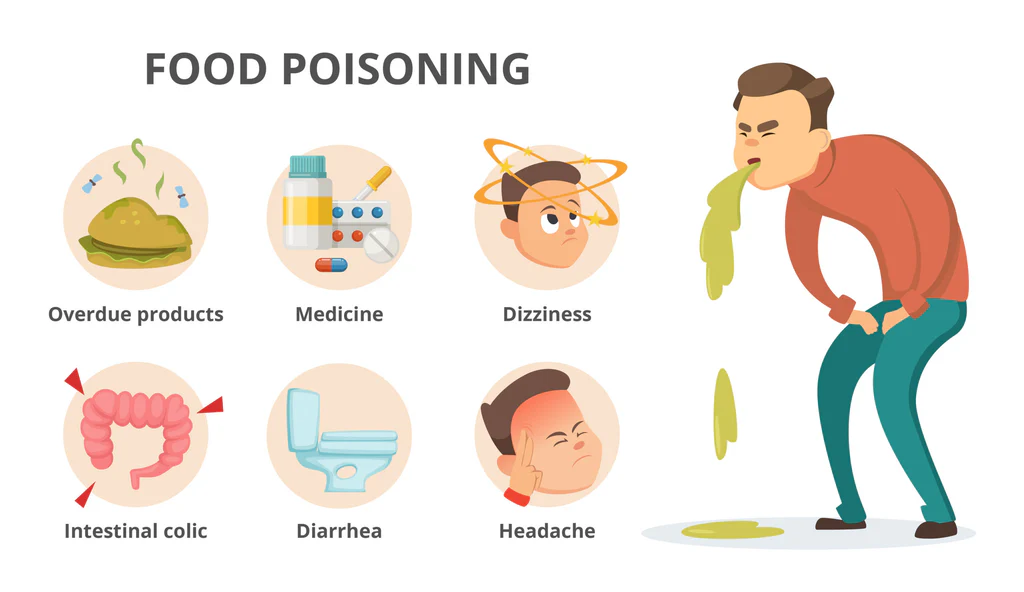
97 Bengaluru Employees Hospitalised After Mass Food Poisoning from Idli-Vada at Devanahalli Office Canteen.

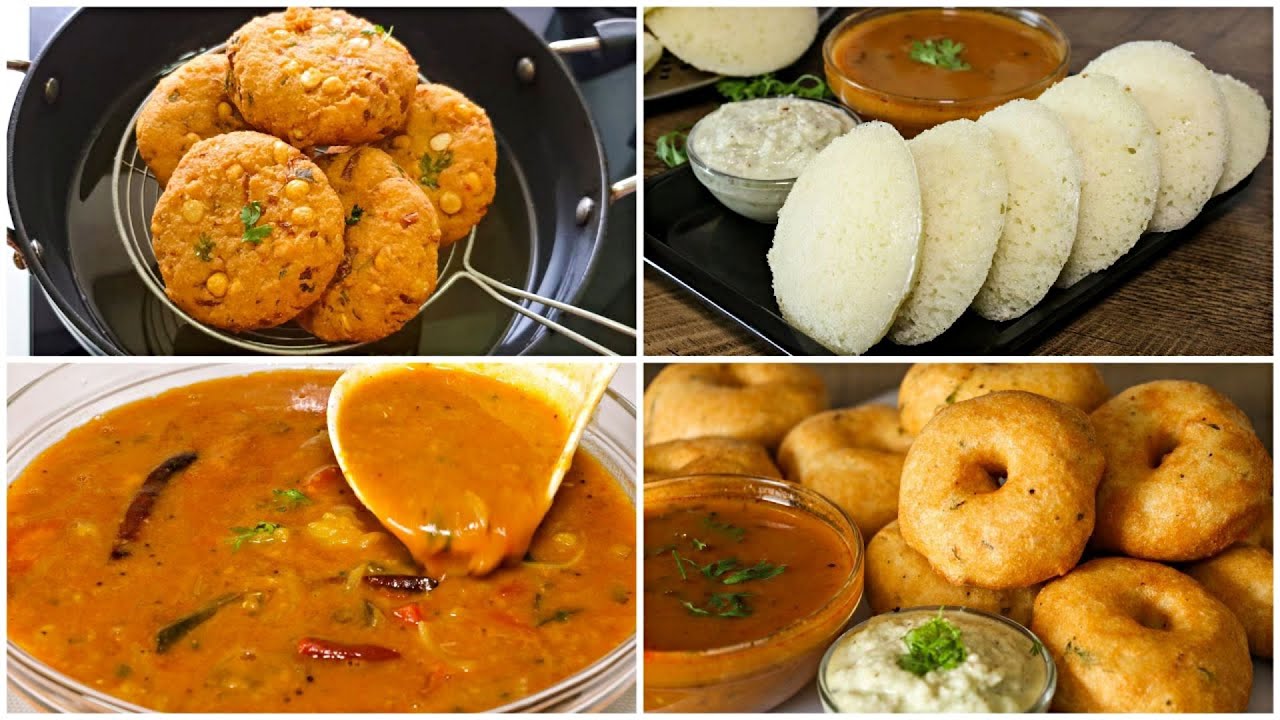
Monsoon Spice | Unveil the Magic of Spices...: Idli-Vada-Sambar
This mass food poisoning case highlights the heightened risks associated with fermented foods during Bengaluru’s hot and humid summer months. No fatalities have been reported, and most employees are recovering after receiving medical treatment at nearby private hospitals. Food samples from the canteen have been sent for laboratory testing, with results awaited.
Food Poisoning: Causes, Symptoms, and Trusted Treatment at the Best Hospital in Ahmedabad - Noble Gastro & Liver Hospital
The incident unfolded on a regular workday. Employees consumed idli and vada during breakfast and sambar-rice for lunch. Within hours, dozens began reporting discomfort. By evening, 97 individuals required hospitalisation. According to reports, the canteen is operated by a third-party vendor serving a tech or manufacturing firm near the airport area.

Monsoon Spice | Unveil the Magic of Spices...: Idli-Vada-Sambar
Easy South Indian Breakfast Recipes - Idli, Medu Wada, Dal Wada and Sambhar Recipe.
Bengaluru’s summer (March to May) brings soaring temperatures and humidity, creating ideal conditions for rapid bacterial growth. Fermented foods such as idli and dosa batter rely on natural lactic acid bacteria, but excessive heat accelerates fermentation dangerously.

Idli Sambar - Chaitra's Creations
Faster Over-Fermentation: Batter can turn sour and acidic within hours, producing harmful compounds.
Bacterial Multiplication: Pathogens like Staphylococcus aureus, Salmonella, or E. coli thrive in warm, moist environments.
Shorter Shelf Life: Leftover batter or prepared items spoil quickly if not refrigerated properly.
Cross-Contamination: Poor hygiene in large-scale canteens (shared utensils, inadequate cleaning) worsens the issue.
Experts note that idli-vada-sambar meals are nutritious when prepared fresh but become risky when mass-produced without strict temperature control.

Food Poisoning vs. Stomach Bug and How to Know Which You Have.
The Food Safety and Standards Authority of India (FSSAI) has clear regulations under the Food Safety and Standards (Food Products Standards and Food Additives) Regulations, 2011. These are especially relevant for fermented items.

Food Safety and Standards Authority of India Logo, India, food, text png.
Use fresh, high-quality ingredients and clean water.
Ensure minimum acidity levels and avoid over-fermentation.
Comply with hygiene practices under Schedule 4 (General Hygienic and Sanitary Practices).
For fermented milk products (if used in accompaniments), maintain minimum protein and acidity standards.
Regular testing for contaminants, heavy metals, and pathogens.
Proper labelling and storage guidelines for canteen operators.
FSSAI to make mandatory labelling of salt, sugar, fat on packaged food items in bold letters, bigger font.
Symptoms and Immediate Medical Response
Common symptoms observed in this Bengaluru incident:
Nausea and vomiting
Abdominal cramps and pain
Diarrhoea (sometimes watery)
Weakness and dehydration
Mild fever in some cases
Most patients received intravenous fluids, anti-emetics, and antibiotics where bacterial infection was suspected. Recovery time varies from 24-72 hours in mild cases.
Frequently Asked Questions (FAQ)
What happened in the Bengaluru food poisoning incident?
A total of 97 employees from a private company in Devanahalli, Bengaluru, were hospitalised after developing symptoms of suspected food poisoning following meals served in their office canteen.
What food is suspected to have caused the illness?
The employees reportedly consumed idli, vada and sambar-rice before experiencing symptoms. Authorities are awaiting laboratory test results to determine the exact source of contamination.
What are the common symptoms of food poisoning?
Typical symptoms include nausea, vomiting, diarrhoea, abdominal cramps, dehydration and, in some cases, fever. Anyone with severe or persistent symptoms should seek immediate medical attention.
What does FSSAI recommend for preventing food poisoning?
FSSAI advises maintaining proper food temperatures, following hygienic preparation practices, avoiding cross-contamination, using safe drinking water and storing perishable foods correctly.
How can office canteens improve food safety?
Corporate canteens should conduct regular hygiene audits, train food handlers, monitor food storage temperatures, discard expired or spoiled ingredients and comply fully with FSSAI food safety regulations.Symptoms of Food Poisoning and When to See a Doctor
This is not an isolated event. Similar outbreaks have occurred in corporate campuses across Bengaluru, Hyderabad, and Pune. Large-scale catering often cuts corners on hygiene to manage costs, leading to such incidents.
Recommendations for Companies and Canteen Operators:
Regular FSSAI licensing and audits.
Temperature-controlled storage and display.
Staff training on food safety.
Daily quality checks and discard policy for leftovers.
Tie-ups with certified vendors only.
On-site medical response readiness.
Idli Sambar - Chaitra's Creations
Prefer freshly prepared hot food.
Avoid left-over fermented items in summer.
Check for sour smell or unusual taste before eating.
Stay hydrated and maintain personal hygiene.
Expert Voices and Preventive Measures
Food safety experts stress that while idli-vada is a staple, mass preparation demands extra vigilance. Dr Krishna Reddy and others have highlighted how summer humidity turns canteens into breeding grounds for bacteria if protocols are ignored.
FSSAI has issued advisories in the past urging canteens to follow strict SOPs during peak summer. Public awareness campaigns on safe consumption of street and canteen food are also recommended.
Food Poisoning: Causes, Symptoms, and Trusted Treatment at the Best Hospital in Ahmedabad.
The Devanahalli incident involving 97 employees serves as a stark reminder of the vulnerabilities in our daily food chain, especially with beloved fermented dishes. As Bengaluru’s corporate workforce grows, ensuring canteen safety must become a priority for companies, regulators, and individuals alike.
While investigations continue, this event underscores the need for stricter enforcement of FSSAI norms. Simple practices like proper refrigeration, fresh preparation, and hygiene can prevent such mass suffering.
Stay safe, eat fresh, and demand better standards from the places that feed you daily.
For the latest updates on this case, follow reliable news sources and official FSSAI notifications.


Comments
Post a Comment