
Three Key Observations from Germany’s Thrilling 4-3 Win Over Switzerland.
Germany produced a rollercoaster performance as they edged Switzerland 4-3 in an entertaining international friendly that offered plenty of lessons ahead of the 2026 World Cup.
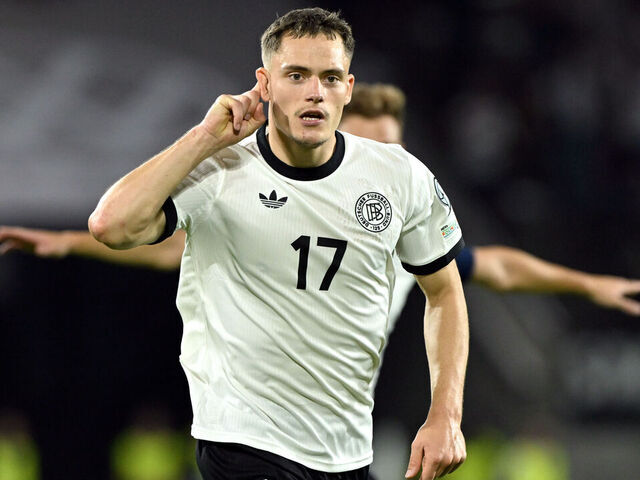
The match, played in a high-tempo, open style, saw Florian Wirtz deliver a masterclass with two goals and two assists, while tactical experimentation from Julian Nagelsmann, individual errors, and late drama defined the evening.

This result highlights both the enormous potential in Nagelsmann’s squad and the areas that still need urgent refinement if Germany are to challenge for silverware in 2026.
This result highlights both the enormous potential in Nagelsmann’s squad and the areas that still need urgent refinement if Germany are to challenge for silverware in 2026.
Observation 1: Sometimes You Can Be Too Clever – Nagelsmann’s Overcomplicated System.
Julian Nagelsmann is renowned as one of football’s brightest tactical minds, but against Switzerland his setup occasionally felt overly intricate to the point of self-sabotage.
Germany began in what looked like a fluid 4-2-3-1 on paper, but in practice it morphed into something far more complex — effectively a 2-1-2-5 in possession. Kai Havertz operated as a focal point, Florian Wirtz roamed centrally, Serge Gnabry drifted inside from the right, and Leroy Sané hugged the left touchline. Joshua Kimmich frequently inverted into midfield, while left-back David Raum pushed extremely high.
This created exciting overloads on the right and beautiful attacking patterns, but it left significant gaps behind the midfield. Whenever Switzerland regained possession, they found acres of space on the flanks to exploit with quick transitions.


Germany’s high-intensity gegenpressing helped them recover the ball frequently, but the defensive structure remained vulnerable. Three of Switzerland’s goals stemmed directly from exploiting these spaces or individual lapses in the chaotic system.
Individual performances compounded the issues: Havertz struggled to impose himself, Sané was largely ineffective, Jonathan Tah was caught out on the second Swiss goal, and goalkeeper Oliver Baumann failed to make any meaningful saves.
After the substitutions, the game simplified. Kimmich adopted more positional discipline, Gnabry shifted back to the left, and Nick Woltemade offered a more traditional No.9 presence. The result? More direct, purposeful football and better overall cohesion.
Key Takeaway: Nagelsmann must resist overthinking at international level. While complexity can unlock moments of brilliance, a World Cup campaign demands balance, compactness, and clarity. Scaling back some of the “moving parts” and emphasising directness and defensive organisation will serve Germany better in high-stakes matches.


Observation 2: Florian Wirtz Is the First Name on the Team Sheet
If there was one undisputed star on the night, it was Florian Wirtz. The young attacking midfielder produced a performance of the highest calibre: two goals, two assists, and countless moments of magic that lit up the pitch.
Wirtz’s vision, one-touch passing, and ability to find pockets of space were exceptional. He linked seamlessly with teammates despite limited time together at international level, always appearing in the right place at the right moment to exploit defensive vulnerabilities.
His finishing was clinical, and his overall influence made it feel as though Germany were playing with an extra man whenever he was on the ball.
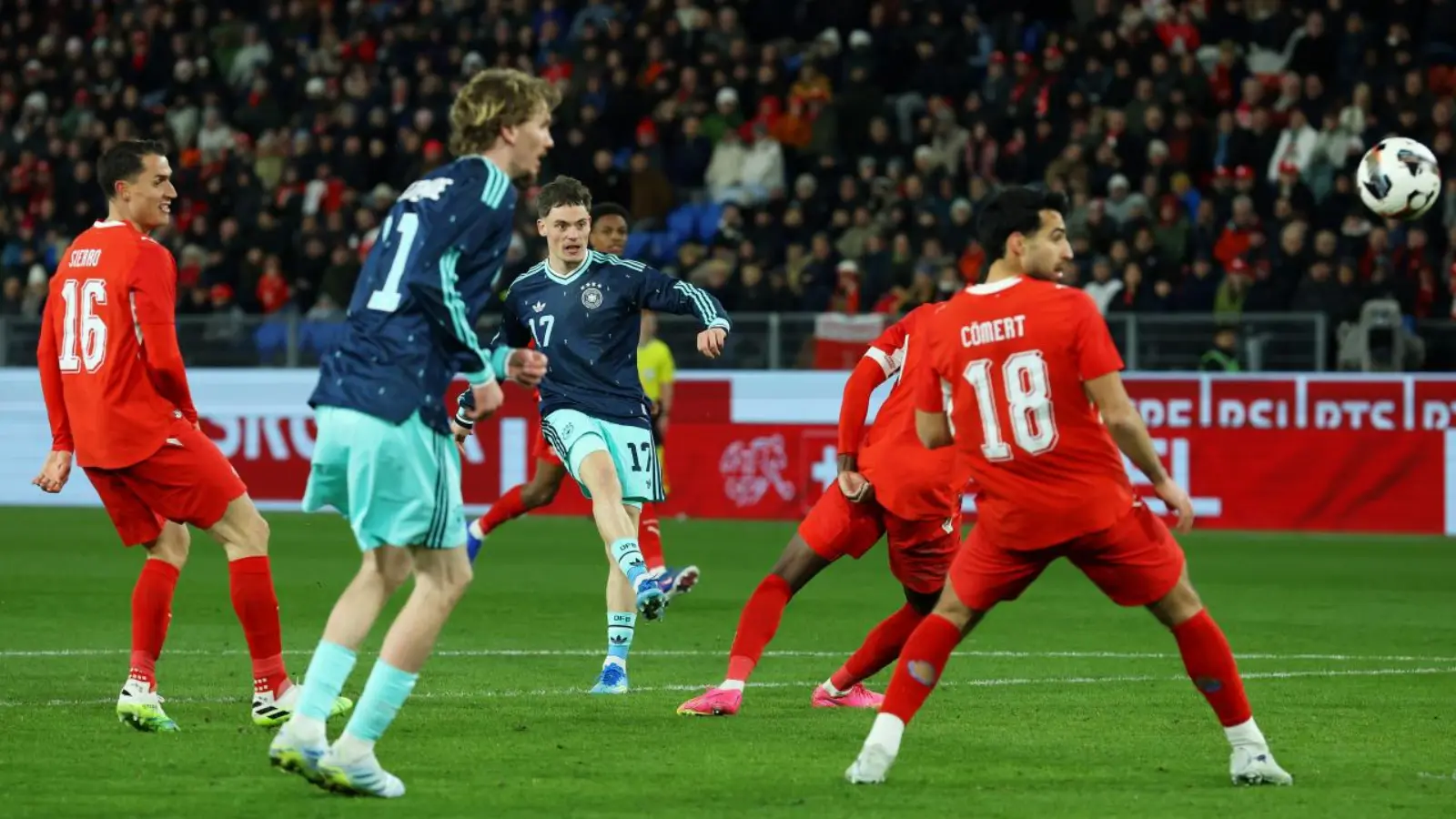
This display only strengthens the narrative that Wirtz is a generational talent. Questions about his club form (with Liverpool) say more about the environment around him than about his own quality. On the international stage, under Nagelsmann, he looks every bit the world-class playmaker.
Key Takeaway: Florian Wirtz must be undroppable for Germany. He is the creative heartbeat of the team and the player most likely to produce match-winning moments in major tournaments. Protecting him from over-exertion while building the side around his strengths should be a priority.
Observation 3: Nagelsmann Must Move On from Underperforming Veterans
While the win was thrilling, it also exposed some players who no longer appear suited to Nagelsmann’s vision for a dynamic, high-pressing Germany side.
Kai Havertz continues to divide opinion. At Arsenal he has found a role, but for Germany he often slows play down. His touch can be heavy, and he takes too many touches before releasing the ball. In a system that thrives on speed and fluidity, Havertz sometimes feels like a bottleneck.
In contrast, substitute Nick Woltemade (despite his club struggles) looked far more natural. He offered better hold-up play, linked quicker with teammates, and brought a more traditional centre-forward presence. With options like Deniz Undav also available, Nagelsmann has realistic alternatives up front.

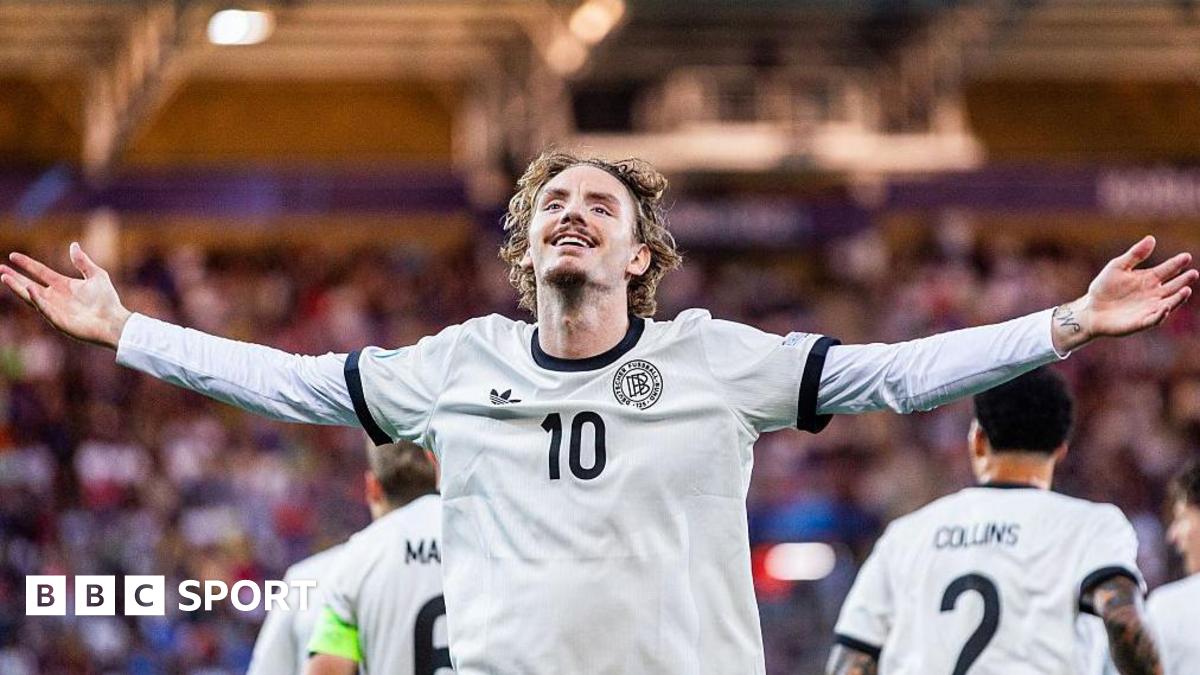
On the wings, Leroy Sané was a shadow of himself — largely invisible and offering little threat or defensive contribution. His substitution for the more energetic and skilful Lennart Karl dramatically improved Germany’s right side.
In goal, Oliver Baumann had a night to forget. Several of Switzerland’s goals were saveable, and his distribution and sweeper-keeper work lacked confidence. With promising keepers like Jonas Urbig waiting in the wings, an upgrade feels necessary for long-term World Cup ambitions.
Key Takeaway: Loyalty to veterans is understandable, but Nagelsmann cannot afford sentimentality. Germany needs players who fit the high-intensity, quick-transition style. Fresh legs and better-suited profiles (Woltemade, Karl, Urbig) should be given serious opportunities in the coming months.


Miscellaneous Observations
The challenge on Joshua Kimmich looked extremely nasty; it was surprising no card was shown.
Germany’s defending was often porous. High pressing is effective, but without a solid structure behind it, the team remains vulnerable at the back — a major concern for the World Cup.
Every Bayern Munich player in the starting XI played the full 90 minutes. Nagelsmann must manage their workload carefully, especially with another friendly against Ghana coming up.
This 4-3 victory was a classic “game of two halves” — chaotic and open early on, more controlled and clinical after adjustments. It provided valuable minutes, highlighted individual brilliance (especially Wirtz), and exposed tactical and personnel issues that Nagelsmann must address.
Germany have the talent to go far at the 2026 World Cup, but they need greater balance between attacking flair and defensive solidity. Simplifying the system, building around Wirtz, and making tough calls on veteran selections will be crucial.
A thrilling night that offered hope and clear areas for improvement. Germany are exciting to watch — now they must become more reliable.
Comments
Post a Comment