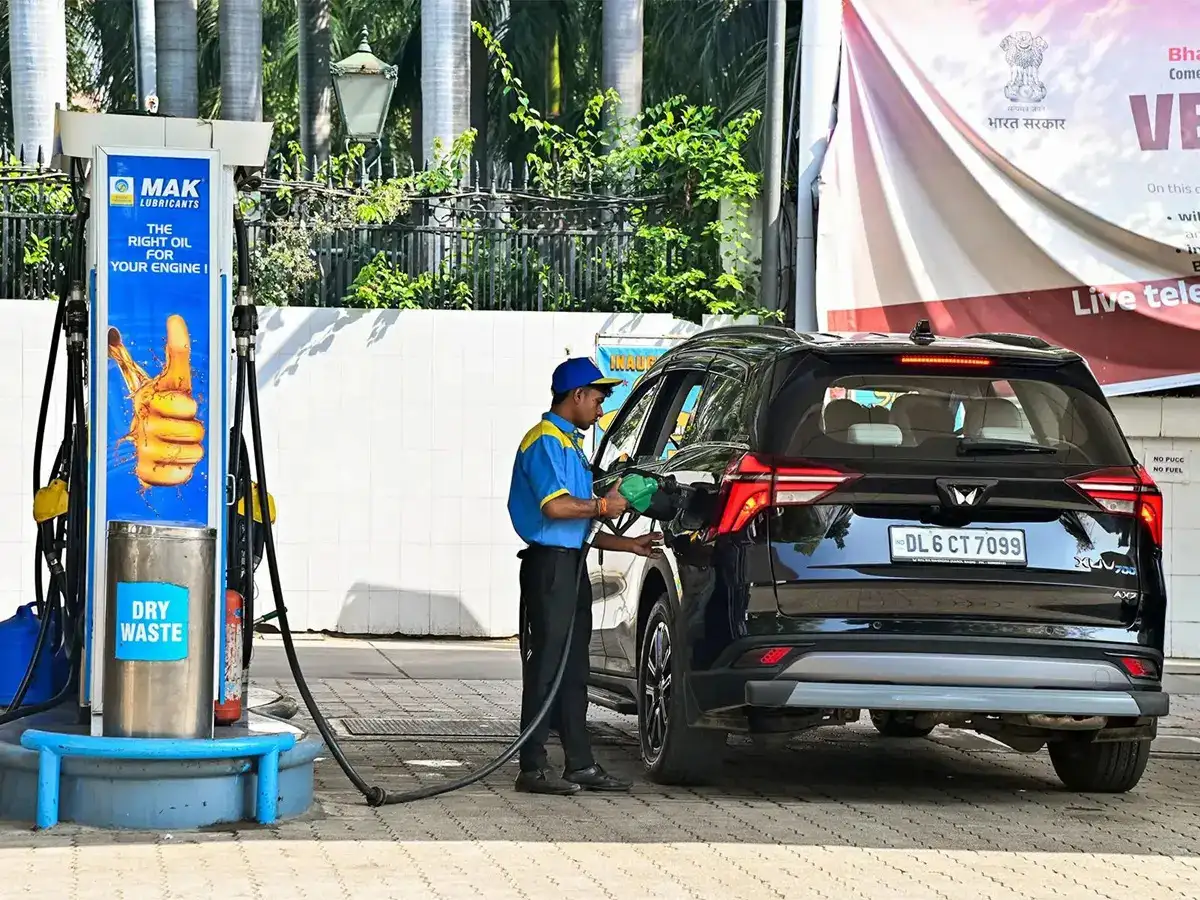
Govt Cuts Excise Duty on Petrol & Diesel by Rs 10/Litre Each Amid Hormuz Crisis.
In a significant relief measure for Indian consumers and the economy, the government has slashed special additional excise duties on petrol and diesel by Rs 10 per litre each.
According to reports citing Reuters, the excise duty on petrol has been reduced from Rs 13 to Rs 3 per litre, while the duty on diesel has been brought down from Rs 10 per litre to zero.

India cuts special excise duties on petrol, diesel.
India cuts special excise duties on petrol, diesel.
This decision comes against the backdrop of escalating global energy tensions triggered by the ongoing US-Israel conflict with Iran and Tehran's restrictions on shipping through the Strait of Hormuz — a critical chokepoint for global oil trade. The move aims to cushion the impact of surging international crude prices on domestic fuel costs and prevent inflationary pressures from spiraling.
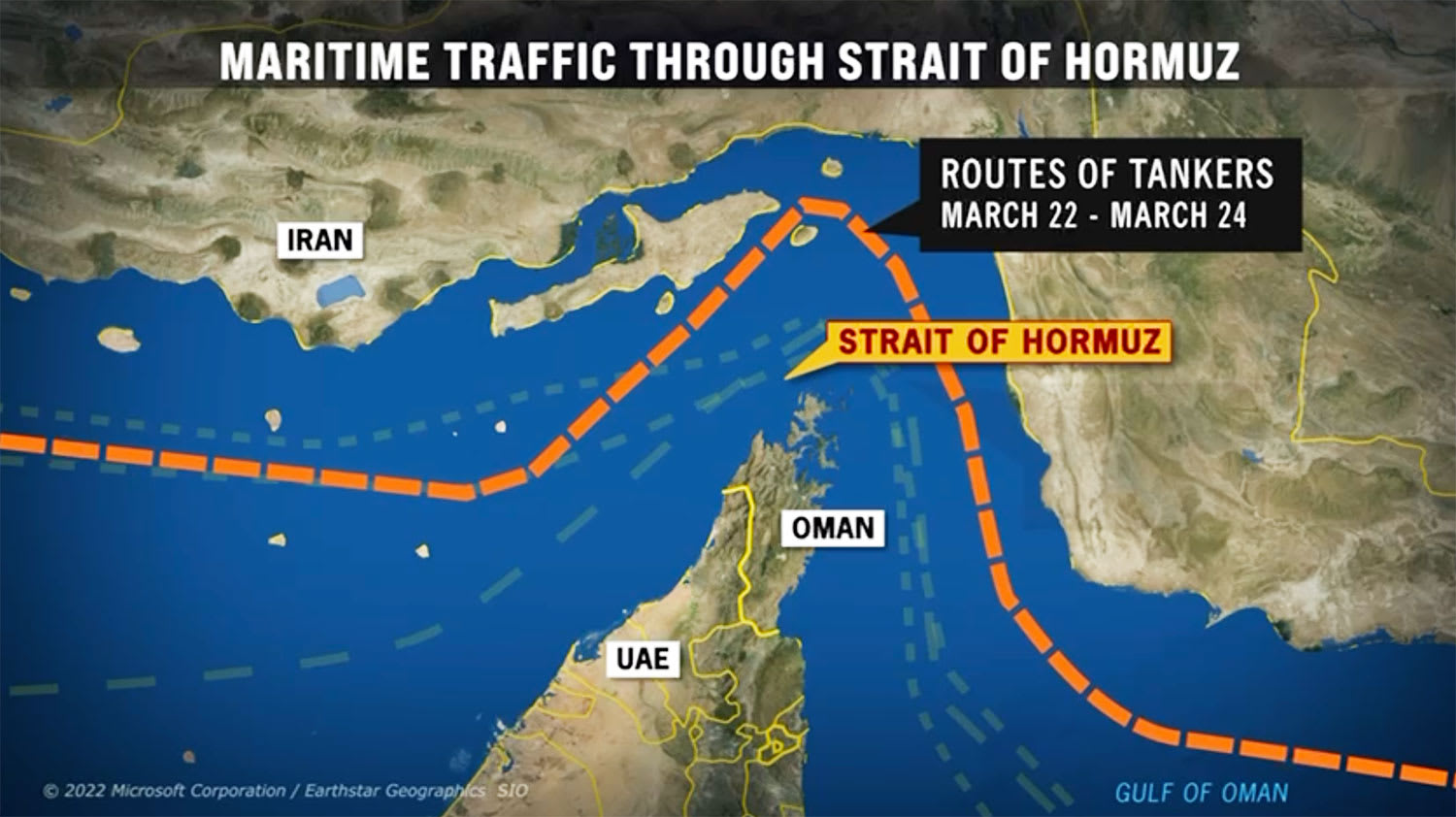
Iran's 'Tehran toll booth' forces some tankers to pay millions to leave Strait of Hormuz.
Iran's 'Tehran toll booth' forces some tankers to pay millions to leave Strait of Hormuz.
Background: The Geopolitical Trigger
The Strait of Hormuz, often described as the world's most vital energy artery, carries roughly 20-25 million barrels of crude oil and substantial volumes of natural gas daily — accounting for about one-fifth of global seaborne oil and gas trade.
The Strait of Hormuz, often described as the world's most vital energy artery, carries roughly 20-25 million barrels of crude oil and substantial volumes of natural gas daily — accounting for about one-fifth of global seaborne oil and gas trade.
For India, which imports nearly 85-90% of its crude oil requirements, the strait is even more crucial. Historically, 40-50% of India's crude imports (approximately 2.2 to 2.8 million barrels per day) have passed through this narrow waterway, primarily from suppliers in the Gulf region such as Iraq, Saudi Arabia, the UAE, and Kuwait.
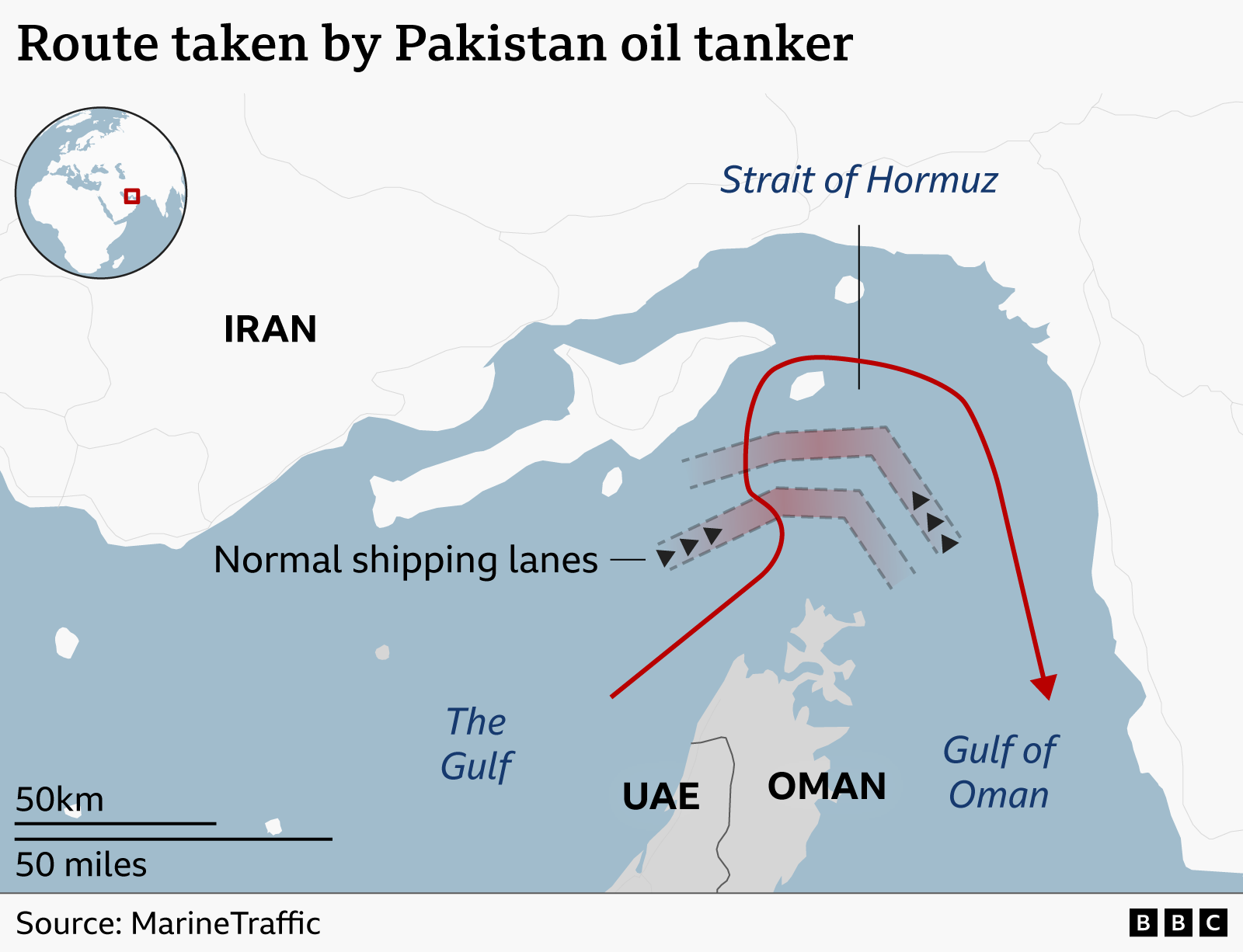
Strait of Hormuz: Which ships are passing through?
Strait of Hormuz: Which ships are passing through?
Tensions escalated sharply after US and Israeli strikes on Iran beginning around late February 2026. In response, Iran imposed restrictions and effectively disrupted tanker traffic through the strait, raising insurance premiums dramatically and forcing many vessels to halt operations or seek alternative (and costlier) routes around the Cape of Good Hope. Global oil prices surged nearly 50% in a short span, putting immense pressure on import-dependent economies like India.
This disruption threatened to widen India's trade deficit, fuel inflation, and strain household budgets, as transport and logistics costs feed into almost every sector of the economy — from food to manufacturing.
Details of the Excise Duty Reduction
The government's announcement represents a substantial tax relief:
Petrol: Excise duty cut from Rs 13/litre to Rs 3/litre (reduction of Rs 10).
Diesel: Excise duty cut from Rs 10/litre to nil (reduction of Rs 10).
These are special additional excise duties (often referred to as Road and Infrastructure Cess components in the past). The cut is expected to translate into lower retail prices at the pump, though the exact pass-through will depend on oil marketing companies (OMCs), state-level VAT, and dealer margins.
State-owned retailers (IOC, BPCL, HPCL), which control the vast majority of the market, have so far maintained price stability despite global volatility. However, the duty cut provides them headroom to absorb costs without immediate hikes.

India state retailers to marginally cut petrol, diesel prices from Tuesday.
Nayara Energy's Price Hike and Market Dynamics
The government intervention follows a notable move by Nayara Energy, India's largest private fuel retailer (majority-owned by Russia's Rosneft). Nayara, operating around 6,967 out of India's total ~102,075 petrol pumps, recently hiked petrol prices by up to Rs 5 per litre and diesel by Rs 3 per litre. This was the first significant retail price adjustment by a major player amid the crisis, as the company chose to pass on a portion of the sharp rise in input costs.

Sanctions-hit Nayara scrambles to sustain operations, with New Delhi's help.
The government intervention follows a notable move by Nayara Energy, India's largest private fuel retailer (majority-owned by Russia's Rosneft). Nayara, operating around 6,967 out of India's total ~102,075 petrol pumps, recently hiked petrol prices by up to Rs 5 per litre and diesel by Rs 3 per litre. This was the first significant retail price adjustment by a major player amid the crisis, as the company chose to pass on a portion of the sharp rise in input costs.
Sanctions-hit Nayara scrambles to sustain operations, with New Delhi's help.
Public sector OMCs, in contrast, have absorbed much of the global price surge so far, partly due to higher refining margins and strategic inventory management. The duty cut now helps align the playing field and prevents a broader price spiral that could hurt consumers, especially in rural areas and for freight-dependent sectors.
India's Energy Security Response
Despite the Hormuz disruptions, Indian authorities have moved swiftly to secure supplies. The Ministry of Petroleum and Natural Gas stated that the country has sufficient crude oil stocks for the next 60 days. Refineries are operating at over 100% capacity utilization, and Indian oil companies have already tied up supplies for this period.
Key points from the official statement:
India is sourcing more crude from its diversified portfolio of over 41 suppliers worldwide.
Increased purchases from Western Hemisphere sources (including the US) and other regions have more than compensated for any shortfalls from traditional Gulf routes.
There is "no supply gap" currently.
India has also ramped up imports from Russia, locking in significant volumes (reports mention deals for around 60 million barrels in the near term) through alternative payment mechanisms and discounted crude. Strategic petroleum reserves and commercial stocks provide an additional buffer of several weeks.
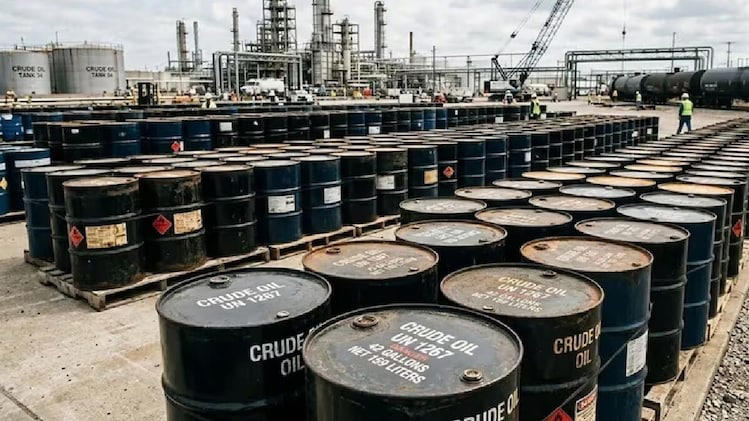
India buys 60 million barrels of Russian oil as Hormuz disruption tightens supply.
This diversification strategy — a lesson reinforced from previous geopolitical shocks — has helped India navigate the current crisis better than many had feared.
Potential Impact on Pump Prices and Inflation
The Rs 10 per litre duty reduction on both fuels is a major fiscal intervention. In normal circumstances, such a cut could directly lower retail prices by a similar magnitude (minus any state tax adjustments). However, experts caution that the full benefit may not immediately reflect at the pump because:
Global crude prices remain elevated.
OMCs may use part of the relief to rebuild margins after months of absorbing costs.
State VAT (which varies from 15-30%+ across states) will still apply on the base price.
Even a partial pass-through of Rs 5-8 per litre could provide meaningful relief to commuters, transporters, farmers (who rely on diesel for pumps and machinery), and industries. Lower fuel costs help contain overall inflation, as energy is a core input cost across the supply chain. This is particularly important ahead of the upcoming summer and monsoon seasons, when demand for transport and power typically rises.
Petrol, diesel prices in your city to come down after government cuts excise duty by Rs 10? Here's what we know.
Broader Economic and Strategic Implications
This duty cut reflects the government's balancing act between revenue needs and consumer protection. Excise duties on petrol and diesel have historically been a significant source of central government revenue (often contributing to infrastructure funding via cess). A Rs 10 cut per litre across high consumption volumes represents a substantial revenue sacrifice in the short term — potentially running into thousands of crores — but it is viewed as necessary to support economic growth and shield the vulnerable from external shocks.
On the strategic front, the crisis has accelerated India's push for energy diversification:
Greater emphasis on renewables and domestic exploration.
Strengthened ties with alternative suppliers (Russia, US, Latin America, Africa).
Investments in strategic reserves and refining flexibility.
Exploration of pipeline and non-strait routes where feasible.
For a country like India — the world's third-largest oil consumer and importer — energy security is national security. The current episode underscores the risks of over-reliance on any single chokepoint and the value of agile diplomacy and supply chain management.
Challenges Ahead
While the immediate supply situation appears stable, prolonged disruption in the Strait of Hormuz could still pose risks:
Higher insurance and freight costs for rerouted tankers.
Potential volatility in global oil prices if tensions escalate further.
Secondary effects on LNG and LPG supplies, which also transit the region and impact household cooking gas and fertilizer production.
The government has already invoked measures under the Essential Commodities Act to prioritize natural gas allocation if needed. Malaysia has reportedly received some assurances from Iran for limited shipping, but the overall outlook remains fluid.
Consumers should also note that fuel prices in India are now largely market-linked (with periodic government interventions). Future movements will depend on global crude trends, the rupee-dollar exchange rate, and OMC pricing decisions.
Conclusion: A Timely Relief Measure
The government's decisive cut in excise duties on petrol and diesel by Rs 10 per litre each is a proactive step to mitigate the fallout from the Middle East conflict and Hormuz disruptions. By reducing the tax burden, New Delhi aims to keep retail fuel prices in check, support economic activity, and prevent a cost-push inflation spiral at a time when global headwinds are strong.
Combined with robust inventory management, diversified sourcing, and high refinery utilization, this move reinforces India's resilience in the face of geopolitical volatility. For millions of Indian households and businesses, even a modest reduction in pump prices can translate into meaningful savings on daily commutes, goods transportation, and overall living costs.
As the situation in the Strait of Hormuz evolves, authorities will continue monitoring developments closely. In the meantime, this fiscal relief provides breathing room and signals the government's commitment to balancing energy security with affordability.
The coming weeks will reveal how effectively the duty cut translates into lower prices and whether further measures — such as additional imports or demand-side management — become necessary. For now, it offers a welcome buffer in an otherwise turbulent global energy landscape.
Petrol, Diesel and ATF Duty Cuts Announced: What has the government changed?
This intervention highlights how external geopolitical events can rapidly influence domestic policy, underscoring the interconnected nature of global energy markets and India's proactive approach to safeguarding its economy.
Comments
Post a Comment