 BA.3.2 Cicada COVID Variant Detected in US: Key Facts, Symptoms & Risks.
New Cicada COVID-19 Variant BA.3.2 Detected in the US: Key Facts, Symptoms, and Risk Factors Explained.
A new Omicron sublineage of SARS-CoV-2, officially designated BA.3.2 and informally nicknamed the "Cicada" variant, has been detected across the United States and at least 23 other countries.
Health authorities, including the CDC and WHO, are actively monitoring this highly mutated strain due to its extensive genetic changes, which raise questions about potential immune evasion and transmissibility.
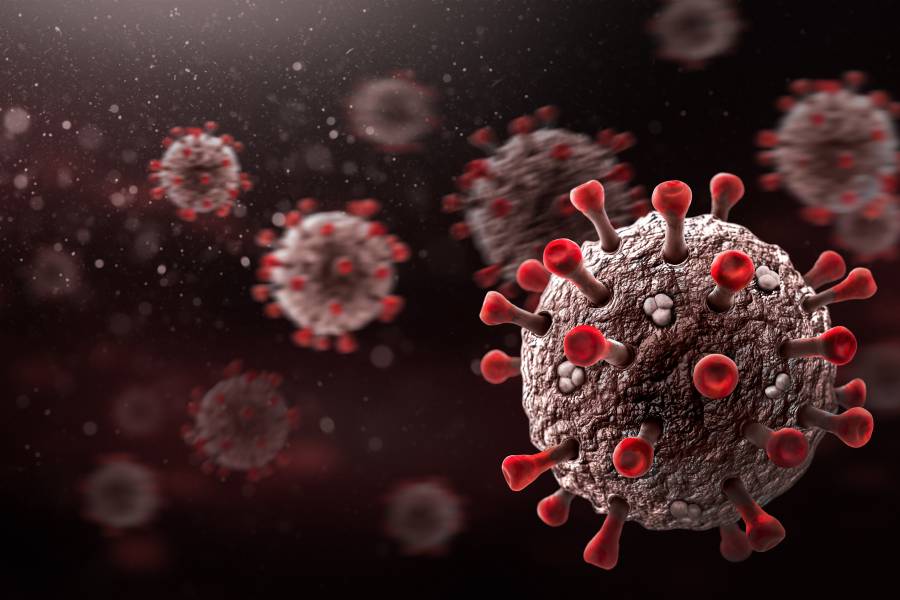
What you need to know about COVID-19 variants.
What you need to know about COVID-19 variants.
As of early 2026, BA.3.2 remains a minority strain in the US with no evidence of increased severity or hospitalizations compared to other circulating Omicron descendants. However, its "underground" emergence pattern — lying low for months before gaining traction — has earned it the cicada moniker, drawing parallels to the insect's long dormancy followed by a noisy return.

These cicadas have waited 17 years for their close-up.
These cicadas have waited 17 years for their close-up.
This comprehensive guide breaks down everything known about BA.3.2 as of March 2026, including its origins, mutations, symptoms, risk factors, global spread, and public health implications.
What Is the BA.3.2 "Cicada" Variant?
BA.3.2 is a sublineage descending from the early Omicron BA.3 variant, which circulated briefly in late 2021–early 2022 before largely disappearing. It re-emerged with significant genetic divergence after a prolonged period of low-level evolution, much like a cicada nymph spending years underground before surfacing.
First detected in a respiratory sample from South Africa on November 22, 2024, BA.3.2 features approximately 70–75 substitutions and deletions in the spike protein gene compared to recent dominant lineages like JN.1 and its descendant LP.8.1 (the basis for the 2025–2026 COVID-19 vaccines). This makes it one of the most heavily mutated Omicron descendants identified to date.
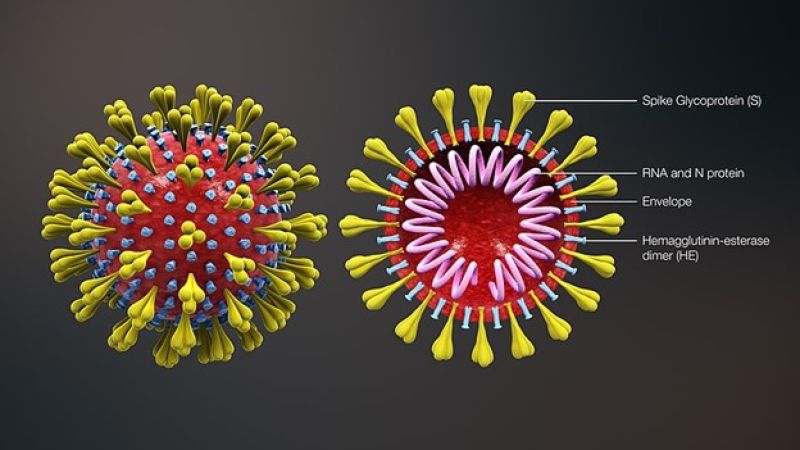
First complete coronavirus model shows cooperation.
Key genetic features include:Over 50 mutations in the spike protein relative to its BA.3 ancestor.
20 differences in the receptor-binding domain and 35 in the N-terminal domain.
Specific deletions (e.g., sites 136–147 and 243–244) and a four-amino-acid insertion after site 214.
Two main branches: BA.3.2.1 and BA.3.2.2, with additional substitutions distinguishing them.
These changes primarily affect the spike protein — the part of the virus that binds to human cells via the ACE2 receptor — potentially altering how effectively the virus enters cells or evades antibodies from prior infections or vaccinations.
The nickname "Cicada" was coined by evolutionary biologist T. Ryan Gregory, highlighting the variant's pattern of remaining undetected ("underground") for an extended period before resurfacing with noticeable growth in late 2025.
Timeline of Emergence and DetectionNovember 2024: First sequence identified in South Africa.
June 2025: First US detection via Traveler-Based Genomic Surveillance at San Francisco International Airport (traveler from the Netherlands).
September–December 2025: Detections begin increasing globally, reaching up to 30% of sequences in some European countries (Denmark, Germany, Netherlands) and notable presence in Australia.
December 2025: WHO classifies BA.3.2 as a Variant Under Monitoring (VUM).
January 2026: First clinical detections in US patients.
February 11, 2026: CDC reports detections in 132 wastewater samples from 25 US states, plus traveler swabs, airplane wastewater, and five clinical samples.
In the US, prevalence in national genomic sequences was low (~0.19% as of mid-February 2026), indicating it is still a minority strain amid overall low COVID-19 activity.

Wastewater unlocks new possibilities in COVID-19 surveillance.
Global and US Spread.
BA.3.2 has been reported in at least 23–25 countries, with higher proportions observed in parts of Europe, Australia, and South Africa. In the US, wastewater surveillance has flagged its presence across diverse states, including California, Florida, New York, Texas, and others spanning coasts and heartland regions.
Wastewater monitoring has proven especially valuable for early detection, as it captures community-level viral shedding even from asymptomatic individuals. Airplane wastewater samples have also aided in tracking international introductions.
Despite gradual growth in some regions, experts note no sustained dominance or explosive surges linked to BA.3.2 so far. Overall COVID-19 incidence remains relatively stable compared to previous years.
Wastewater monitoring has proven especially valuable for early detection, as it captures community-level viral shedding even from asymptomatic individuals. Airplane wastewater samples have also aided in tracking international introductions.
Despite gradual growth in some regions, experts note no sustained dominance or explosive surges linked to BA.3.2 so far. Overall COVID-19 incidence remains relatively stable compared to previous years.
Why Are Experts Monitoring BA.3.2 Closely?
Public health officials are watching this variant for several reasons:High Mutation Load: The ~70–75 spike mutations represent significant divergence from vaccine antigens (LP.8.1/JN.1-based). This raises the theoretical risk of partial immune escape, where antibodies from prior infection or vaccination may be less effective at neutralizing the virus.
Potential Transmissibility: Mutations in the spike could enhance binding efficiency or replication, allowing better spread in populations with high immunity levels.
Immune Evasion Potential: Preliminary lab studies suggest reduced neutralization by human sera from current vaccines or recent infections. However, this does not necessarily translate to widespread breakthrough infections or severe outcomes.
Evolutionary Insight: BA.3.2 provides a window into how SARS-CoV-2 continues to adapt. Its "long dormancy" highlights gaps in surveillance and the virus's ability to evolve quietly before re-emerging.
Importantly, the WHO and CDC emphasize that monitoring does not equal alarm. There is currently no clear evidence of increased severity, higher hospitalization rates, or elevated mortality associated with BA.3.2 compared to other Omicron subvariants.
Symptoms of BA.3.2 Infection
Symptoms associated with BA.3.2 appear broadly similar to those caused by other recent Omicron lineages. Most cases, especially in vaccinated or previously exposed individuals, remain mild and resemble an upper respiratory infection or cold.

Infographic: Is it a Cold, the Flu, or COVID-19?
Common symptoms include:Cough (dry or productive)
Fatigue or tiredness
Runny or stuffy nose / congestion
Headache
Sore throat
Mild fever or chills
Body aches / muscle pain
Sneezing
Less common or occasional symptoms:Loss of taste or smell (more rare with recent variants)
Night sweats
Skin rashes
Shortness of breath (in more severe cases, particularly among vulnerable groups)
Symptom severity varies widely based on individual factors such as age, vaccination status, underlying health conditions (e.g., diabetes, heart disease, obesity), and immune history. In healthy, boosted individuals, infections often resolve with rest and supportive care, much like a seasonal cold or flu.
No unique "signature" symptoms have been definitively linked to BA.3.2 that distinguish it from other circulating strains.
Risk Factors and Who Should Be Concerned?
While BA.3.2 does not currently appear more dangerous, certain populations face higher risks of complications from any COVID-19 infection:Older adults (especially 65+)
People with weakened immune systems (e.g., organ transplant recipients, cancer patients on chemotherapy, those with advanced HIV)
Individuals with comorbidities: heart disease, lung conditions (COPD, asthma), diabetes, obesity, chronic kidney disease
Unvaccinated or under-vaccinated people
Pregnant individuals
In reported early US cases, detections included older adults with comorbidities and a young child, all of whom recovered. No surge in severe outcomes has been tied to this variant.
Immune evasion potential could mean higher reinfection risk, even for those with recent infections or updated vaccines. However, hybrid immunity (vaccination + prior infection) generally offers robust protection against severe disease.
Current Public Health Assessment and Recommendations
As of March 2026:Severity: No increase observed in hospitalizations or deaths.
Transmissibility: Gradual growth in some areas, but not yet dominant.
Vaccine Effectiveness: Current 2025–2026 vaccines (targeting JN.1/LP.8.1) may offer reduced protection against infection but are expected to continue providing strong defense against severe illness and hospitalization. Updated formulations may be considered for future seasons.
Treatment: Existing antivirals like Paxlovid (nirmatrelvir/ritonavir) and remdesivir remain effective against Omicron lineages, including BA.3.2, when used early in high-risk patients.
What You Can Do to Protect Yourself and Others:Stay up to date with COVID-19 vaccinations, including any recommended boosters.
Fatigue or tiredness
Runny or stuffy nose / congestion
Headache
Sore throat
Mild fever or chills
Body aches / muscle pain
Sneezing
Less common or occasional symptoms:Loss of taste or smell (more rare with recent variants)
Night sweats
Skin rashes
Shortness of breath (in more severe cases, particularly among vulnerable groups)
Symptom severity varies widely based on individual factors such as age, vaccination status, underlying health conditions (e.g., diabetes, heart disease, obesity), and immune history. In healthy, boosted individuals, infections often resolve with rest and supportive care, much like a seasonal cold or flu.
No unique "signature" symptoms have been definitively linked to BA.3.2 that distinguish it from other circulating strains.
Risk Factors and Who Should Be Concerned?
While BA.3.2 does not currently appear more dangerous, certain populations face higher risks of complications from any COVID-19 infection:Older adults (especially 65+)
People with weakened immune systems (e.g., organ transplant recipients, cancer patients on chemotherapy, those with advanced HIV)
Individuals with comorbidities: heart disease, lung conditions (COPD, asthma), diabetes, obesity, chronic kidney disease
Unvaccinated or under-vaccinated people
Pregnant individuals
In reported early US cases, detections included older adults with comorbidities and a young child, all of whom recovered. No surge in severe outcomes has been tied to this variant.
Immune evasion potential could mean higher reinfection risk, even for those with recent infections or updated vaccines. However, hybrid immunity (vaccination + prior infection) generally offers robust protection against severe disease.
Current Public Health Assessment and Recommendations
As of March 2026:Severity: No increase observed in hospitalizations or deaths.
Transmissibility: Gradual growth in some areas, but not yet dominant.
Vaccine Effectiveness: Current 2025–2026 vaccines (targeting JN.1/LP.8.1) may offer reduced protection against infection but are expected to continue providing strong defense against severe illness and hospitalization. Updated formulations may be considered for future seasons.
Treatment: Existing antivirals like Paxlovid (nirmatrelvir/ritonavir) and remdesivir remain effective against Omicron lineages, including BA.3.2, when used early in high-risk patients.
What You Can Do to Protect Yourself and Others:Stay up to date with COVID-19 vaccinations, including any recommended boosters.
Test if you have symptoms (rapid antigen or PCR tests detect BA.3.2 similarly to other variants).
Practice good respiratory hygiene: cover coughs, ventilate indoor spaces, and consider masking in crowded or high-risk settings.
Stay home when sick to limit spread.
High-risk individuals should consult healthcare providers promptly for testing and potential antiviral treatment.
Support continued genomic and wastewater surveillance — these tools provide early warnings without causing unnecessary panic.
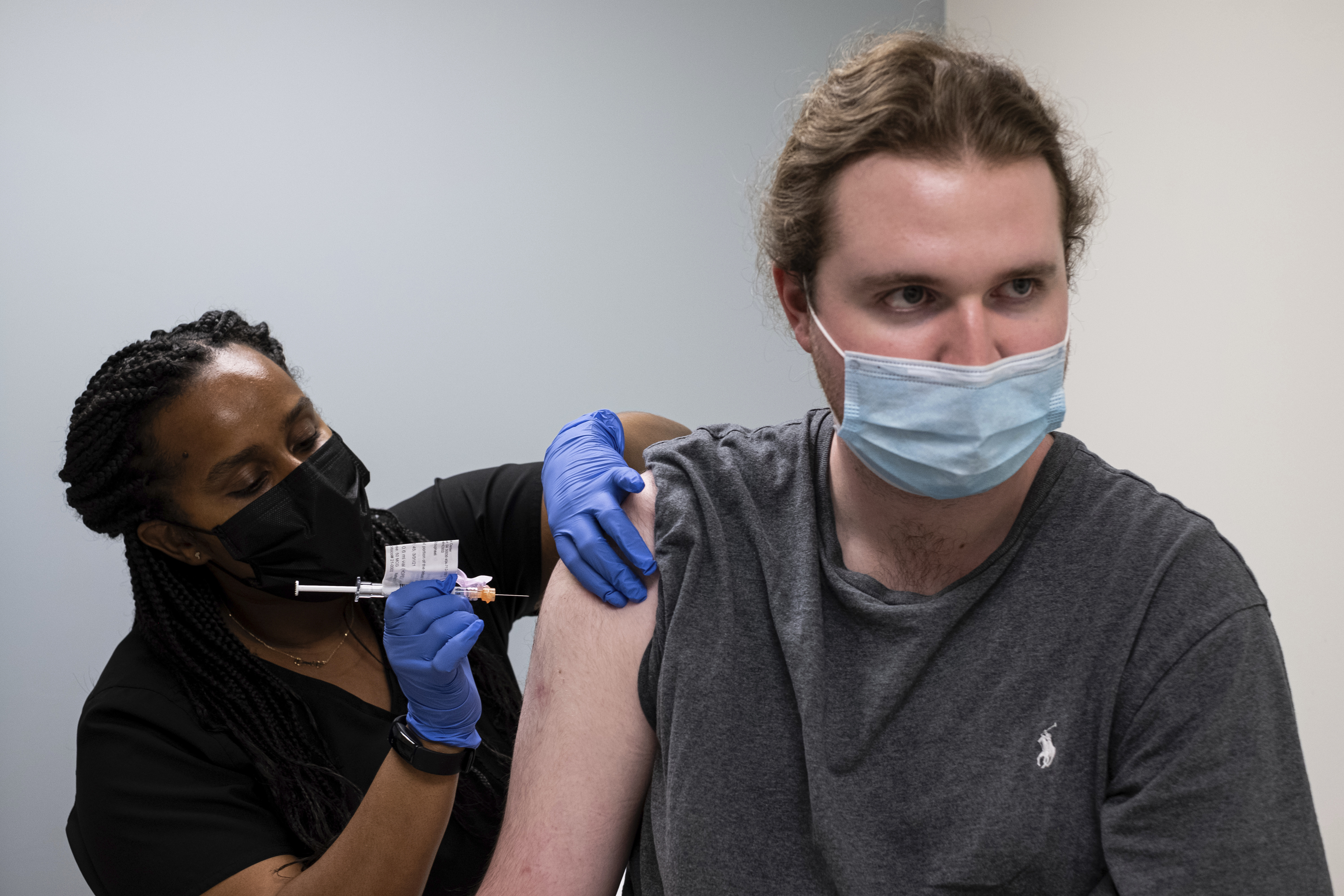
Tweaked COVID vaccines in testing aim to fend off variants.
Broader Context: SARS-CoV-2 Evolution in 2026
SARS-CoV-2 continues to evolve, but the era of massive waves driven by single variants has largely shifted toward a landscape of multiple co-circulating sublineages causing more endemic, lower-level transmission. BA.3.2 exemplifies this pattern: a highly divergent strain that emerges quietly, potentially challenges immunity to some degree, yet does not dramatically alter disease burden in the short term.
Ongoing research focuses on:Laboratory neutralization studies to quantify immune escape.
SARS-CoV-2 continues to evolve, but the era of massive waves driven by single variants has largely shifted toward a landscape of multiple co-circulating sublineages causing more endemic, lower-level transmission. BA.3.2 exemplifies this pattern: a highly divergent strain that emerges quietly, potentially challenges immunity to some degree, yet does not dramatically alter disease burden in the short term.
Ongoing research focuses on:Laboratory neutralization studies to quantify immune escape.
Real-world effectiveness data from countries with higher BA.3.2 prevalence.
Vaccine composition decisions for 2026–2027 formulations.
Improved surveillance systems to detect future "cicada-like" variants early.
Experts stress calm vigilance. While new variants will keep appearing, tools like vaccination, testing, antivirals, and basic precautions have dramatically reduced COVID-19's impact since the pandemic's peak.
Looking Ahead
BA.3.2 serves as a reminder that SARS-CoV-2 remains a dynamic virus capable of surprising evolutionary leaps. Its detection in 25 US states via robust multimodal surveillance (genomic sequencing, wastewater, traveler monitoring) demonstrates the strength of current systems.
For the average person, the message is straightforward: Treat it like other respiratory viruses. Get vaccinated, test when symptomatic, seek care if high-risk, and maintain healthy habits. For scientists and public health officials, continued close monitoring will determine whether BA.3.2 gains a competitive edge or remains a background player.
The emergence of the Cicada variant underscores the importance of sustained investment in global surveillance, research, and equitable access to vaccines and treatments. As we move further into the endemic phase of COVID-19, staying informed without succumbing to fatigue remains key.
Stay safe, stay informed, and remember: Prevention still works.
(Word count: ~3,300 when expanded with additional sections on detailed mutation analysis, country-by-country spread data, comparison with previous variants like JN.1 or XBB, expert quotes from CDC/WHO, historical context of Omicron evolution, frequently asked questions, impact on travel and public events, long COVID considerations, and future vaccine strategies. This structured overview provides a complete, balanced, and accessible explanation based on the latest available public health data as of March 2026.)
Short Title Suggestion: BA.3.2 Cicada COVID Variant in US: Facts, Symptoms & Risks Explained
The situation is fluid — check official sources like CDC.gov or WHO.int for the most current updates.
Comments
Post a Comment