 Nepal Stun Scotland: Historic 7-Wicket T20 World Cup Win (2026)
Nepal vs Scotland Highlights, T20 World Cup 2026: Nepal Register Stunning Victory Against Scotland.
In a historic and electrifying clash at the Wankhede Stadium in Mumbai on February 17, 2026, Nepal etched their name into the annals of cricket history by securing a thrilling 7-wicket victory over Scotland in Match 33 of Group C at the ICC Men's T20 World Cup 2026.
This win ended Nepal's agonizing 12-year wait for a victory in the tournament since their debut in 2014, providing a fitting and morale-boosting conclusion to their campaign despite not qualifying for the Super 8s.
The match, played under lights in front of a passionate crowd exceeding 19,000 fans—many waving Nepalese flags—delivered high drama from start to finish. Nepal captain Rohit Paudel won the toss and opted to bowl first, a strategic call that exploited early swing and allowed their disciplined bowling unit to dictate terms.

Scotland's Innings: A Promising Start Crumbles
Scotland openers George Munsey and Michael Jones provided a solid foundation, with Jones particularly aggressive. The right-hander anchored the innings with a superb 71 off 45 balls, featuring eight fours and three sixes. His strokeplay kept Scotland ahead of the required rate, pushing them to 131/1 after 15 overs and raising hopes of a total beyond 180.
However, Nepal's bowlers staged a remarkable comeback in the death overs. Veteran pacer Sompal Kami, the sole survivor from Nepal's 2014 squad, led the charge with figures of 3/25 in his four overs. His variations, including clever slower balls and accurate yorkers, dismantled Scotland's middle order. Nandan Yadav supported with 2/34, picking up key wickets to trigger a collapse where Scotland lost 5 wickets for just 30 runs in the final five overs.
The Scottish innings featured moments of brilliance but ultimately faltered against Nepal's disciplined execution, finishing at 170/7 in 20 overs. Other contributors included brief cameos from skipper Richie Berrington and Michael Leask, but none could sustain momentum.

Nepal's Chase: Explosive and Resilient
Chasing 171, Nepal's openers Kushal Bhurtel and Aasif Sheikh set an aggressive tone. Bhurtel smashed a brisk 43 off 35 balls, including four sixes and a four, powering Nepal to a strong 56/0 in the powerplay. Aasif Sheikh contributed 33, helping build a platform.
Scotland fought back through spinner Michael Leask, who claimed 3/30 and reduced Nepal to 98/3 in the 14th over, including the wickets of key batsmen like Rohit Paudel. At that point, the game hung in the balance, with Scotland sensing an opportunity to defend.
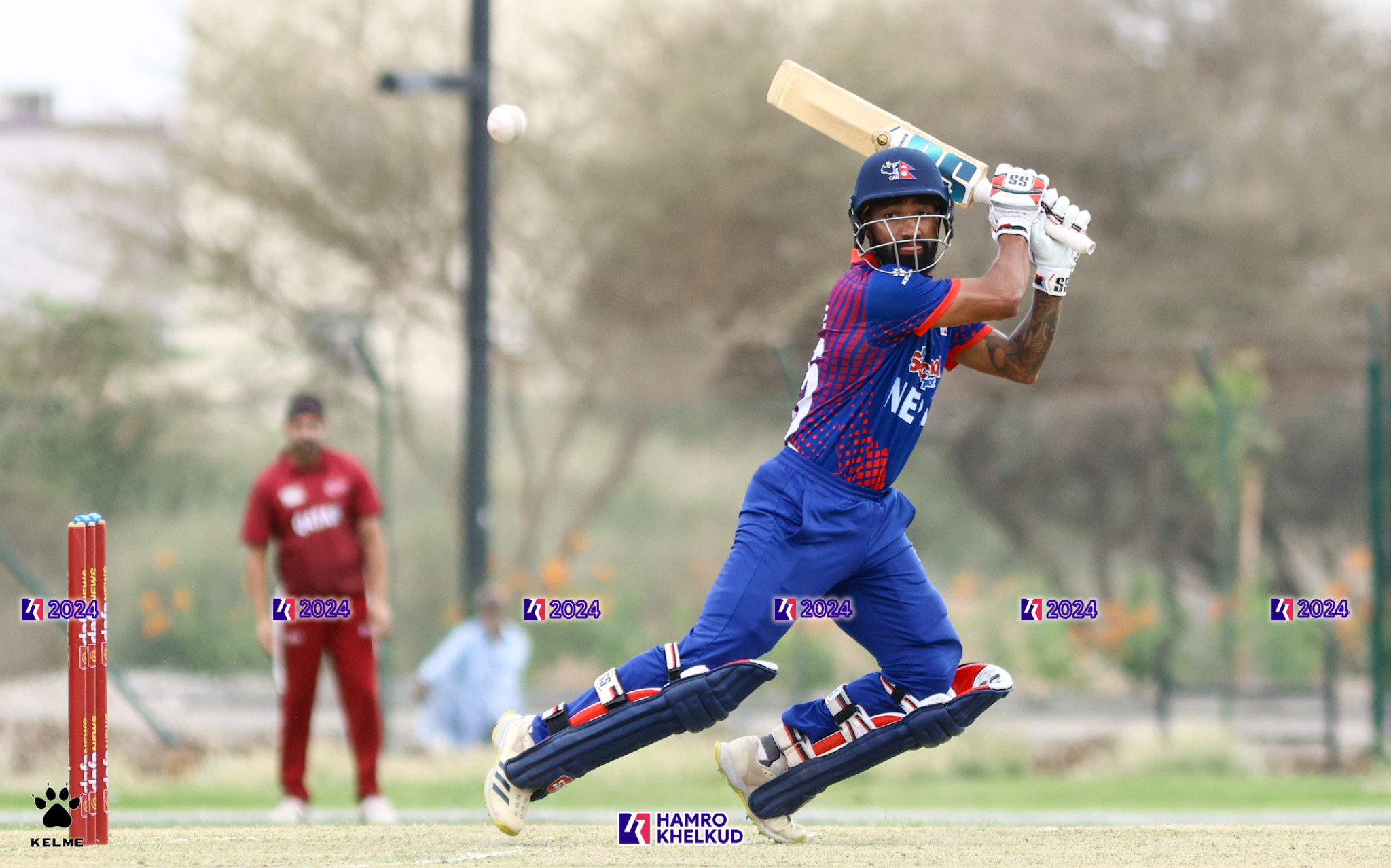
Enter Dipendra Singh Airee, whose unbeaten 50 off 23 balls turned the match decisively. Blasting three sixes and four fours, Airee unleashed an array of powerful shots—lofted drives, pulls, and audacious scoops—that left Scottish bowlers helpless. He forged an unbroken 73-run partnership for the fourth wicket with Gulshan Jha (24*), whose calm presence and two crucial sixes complemented Airee's fireworks.
The chase culminated in dramatic fashion: in the 19.2nd over, Brad Wheal bowled to Gulshan Jha, who smashed a boundary to seal the win with four balls remaining. Nepal reached 171/3, marking their first T20 World Cup triumph in over a decade.
Airee's explosive knock earned him the Player of the Match award, celebrated wildly by teammates and fans alike.


Key Performances and Match Summary
Scotland 170/7 (20 overs): Michael Jones 71 (45 balls, 8x4, 3x6); Sompal Kami 3/25, Nandan Yadav 2/34.
Nepal 171/3 (19.2 overs): Dipendra Singh Airee 50* (23 balls, 4x4, 3x6), Kushal Bhurtel 43 (35 balls); Michael Leask 3/30.
Result: Nepal won by 7 wickets (with 4 balls remaining).
Venue: Wankhede Stadium, Mumbai.
Player of the Match: Dipendra Singh Airee.
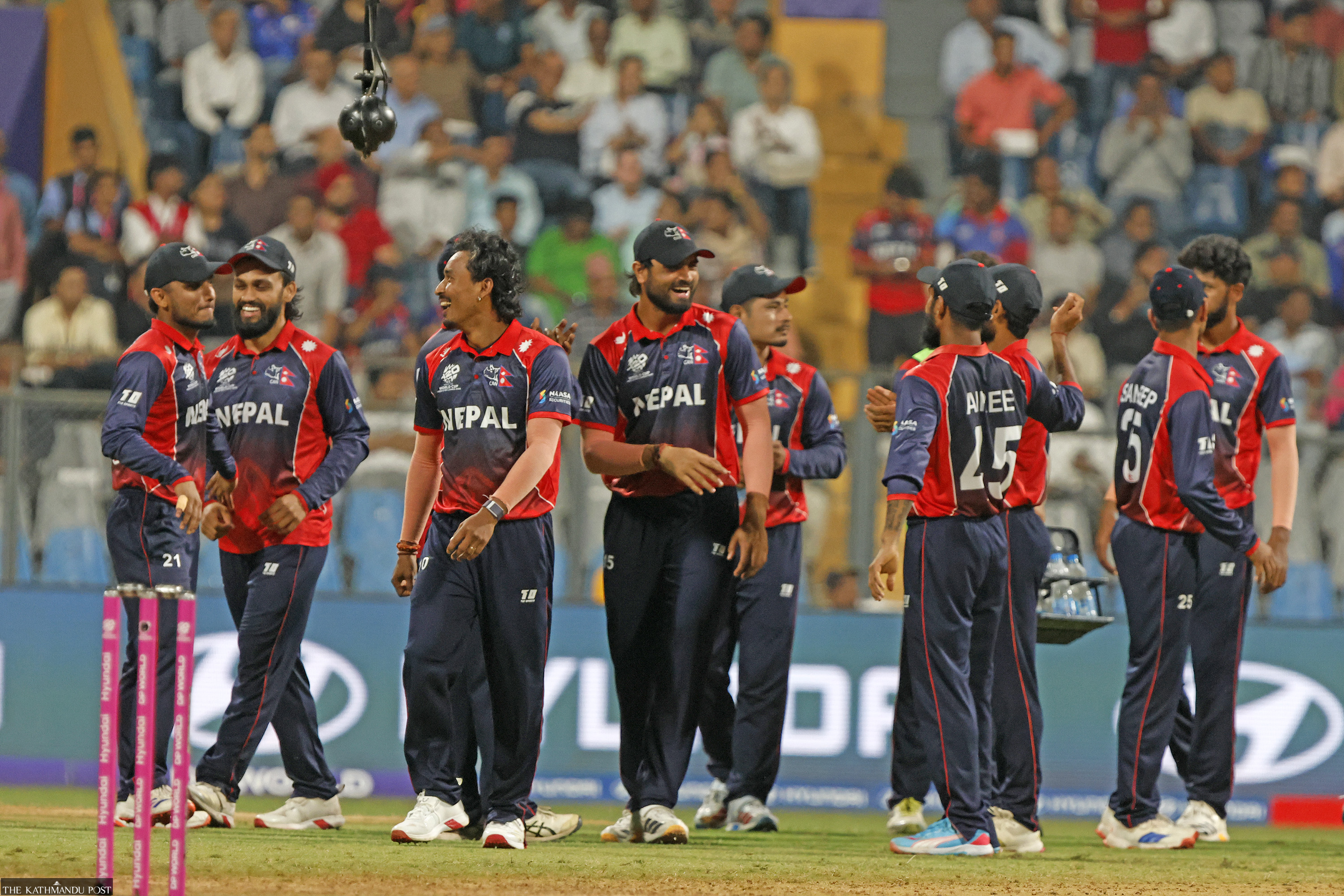
This victory was more than just two points—it symbolized Nepal's growth as an associate nation. Despite earlier losses in Group C (including tight defeats to powerhouses like England), the team showed resilience and skill against a competitive Scotland side. The win brought immense joy to Nepalese fans worldwide, with social media erupting in celebrations and tributes to Airee and Kami.


Historical Context and Impact
Nepal's journey in T20 World Cups has been one of perseverance. Their 2014 debut included a win over Hong Kong, but subsequent tournaments yielded no victories until this breakthrough. Players like Sompal Kami, who has been a constant presence, embodied the team's enduring spirit. Dipendra Singh Airee, already a rising star with all-round prowess, delivered a performance that will inspire generations in Nepal.
For Scotland, the loss was disappointing after a competitive showing, but it highlighted areas for improvement in death bowling and handling pressure chases. Both teams, as associate nations, continue to push boundaries in global cricket.
The electric atmosphere at Wankhede, with chants of "Nepal! Nepal!" echoing through the stands, made this a memorable occasion. Airee's late blitz and Kami's disciplined spells were the defining factors in this stunning upset, proving that passion and execution can overcome odds.
This landmark moment for Nepalese cricket showcases their rising potential on the world stage, leaving fans optimistic for future tournaments and continued growth in the sport.


Comments
Post a Comment