India vs New Zealand U19 Highlights: India Cruise to Huge DLS Victory.
 U19 WC: India Thrash New Zealand by 7 Wkts.
- India vs New Zealand U19 World Cup 2026: India Thrash New Zealand by 7 Wickets
India vs New Zealand Highlights, U19 World Cup 2026: India Beat New Zealand by Seven Wickets
India continued their impressive run at the ICC Under-19 Cricket World Cup 2026, defeating New Zealand by seven wickets via the DLS method in a rain-affected Group B encounter at Queens Sports Club, Bulawayo, on 24 January 2026.
After restricting New Zealand to 135 all out in 36.2 overs, India chased a revised target of 130 in just 13.3 overs. Captain Ayush Mhatre produced a sensational 53 off 27 balls, while Vaibhav Sooryavanshi added 40 from 23 deliveries.
Earlier, RS Ambrish led India's bowling attack with an excellent 4/29, supported by Henil Patel's 3/23.
The result gave India their third consecutive victory of the tournament and strengthened their position at the top of Group B heading into the Super Six stage.
India vs New Zealand U19 World Cup 2026: Match Summary
New Zealand: 135 all out in 36.2 overs
India: 130/3 in 13.3 overs
Result: India won by 7 wickets (DLS method)
Venue: Queens Sports Club, Bulawayo, Zimbabwe
Date: 24 January 2026
Competition: ICC Under-19 Cricket World Cup 2026Rain reduced the match to 37 overs per side, making India's disciplined bowling and explosive chase even more impressive.
Toss: India Choose to Bowl
India captain Ayush Mhatre won the toss and elected to bowl, taking advantage of the damp conditions and overcast skies.
The decision immediately paid dividends.
India's seamers found movement early and kept New Zealand's batters under constant pressure. The Kiwi top order struggled to build partnerships as India's bowlers consistently hit the right areas.
RS Ambrish Leads India's Bowling Attack
RS Ambrish was the standout bowler.
His spell of 4/29 proved decisive as he used movement and variations to trouble New Zealand's batters. He repeatedly found ways to beat the bat and prevented the opposition from building momentum.
Henil Patel provided excellent support with 3/23, while Khilan Patel, Mohamed Enaan and Kanishk Chouhan also contributed with important wickets.
New Zealand were reduced to 69/7, leaving them in serious danger of being bowled out for a very low total.
New Zealand Innings: Callum Samson Offers Resistance
New Zealand struggled throughout the majority of their innings.
Snehith Reddy was among the few top-order batters to reach double figures, scoring 10, while the rest of the batting line-up found India's disciplined attack difficult to negotiate.
The lower order eventually showed some resistance.
Callum Samson top-scored with 37, while Selwin Sanjay contributed 28 and Jacob Cotter added 23.
Their efforts helped New Zealand reach 135, but the total remained modest given the conditions and reduced number of overs.
India eventually bowled New Zealand out in 36.2 overs, giving themselves a relatively straightforward chase.

India vs New Zealand Highlights, U19 World Cup 2026: India Beat New Zealand by Seven Wickets

Rain played a significant role, reducing the match to 37 overs per side. Despite the interruption, India's bowlers and batters adapted brilliantly, showcasing discipline, aggression, and composure under pressure. The victory highlighted the depth in India's young squad, with standout contributions from bowlers like RS Ambrish and batters Ayush Mhatre and Vaibhav Sooryavanshi.

 Toss and Early Bowling Dominance
India's captain Ayush Mhatre won the toss and elected to bowl first, a decision that proved spot-on given the damp conditions and overcast skies. The pitch offered assistance to the pacers early on, with movement off the seam and in the air.
India's opening bowlers struck immediately, putting New Zealand on the back foot. The Kiwi top order crumbled under relentless pressure from India's disciplined attack. RS Ambrish was the star of the bowling innings, delivering a match-defining spell of 8-1-29-4. His ability to swing the ball both ways and hit the right lengths troubled the batters consistently.

Supporting him was Henil Patel, who chipped in with 3 for 23, maintaining tight lines and picking up key wickets. New Zealand were reduced to 69 for 7 at one stage, highlighting their struggle against India's pace and accuracy.
The New Zealand innings never truly recovered. Top-order batter Snehith Reddy was the only one to reach double figures among the early dismissals, scoring just 10. The middle and lower order showed some resistance, with Callum Samson top-scoring with a gritty 37, Selwin Sanjay contributing 28, and Jacob Cotter adding 23. However, these efforts came too late.
Additional wickets came from Khilan Patel, Mohamed Enaan, and Kanishk Chouhan, as India bowled out New Zealand for a modest 135 in 36.2 overs. The total was well below par, even in the reduced-overs contest, leaving India with a chase that looked straightforward on paper.


India's Clinical Chase
With the DLS method adjusting the target to 130 due to the rain interruption, India needed a composed yet aggressive approach to overhaul it within the allotted overs.
Openers Aaron George and Vaibhav Sooryavanshi started the innings, but George fell early, giving New Zealand a glimmer of hope. However, that was short-lived.
Skipper Ayush Mhatre walked in and immediately shifted gears. In a blazing partnership of 76 runs with Sooryavanshi, the duo took the game away from New Zealand. Vaibhav Sooryavanshi played a brisk knock of 40 off just 23 balls, displaying excellent timing and power.

Mhatre was even more destructive, smashing a stunning 53 off 27 deliveries. His innings was studded with six sixes, showcasing his ability to clear the ropes at will and turn the chase into a formality. The aggressive batting ensured India raced ahead of the required rate.
After the dismissals of Sooryavanshi and Mhatre, Vihaan Malhotra and Vedant Trivedi provided the finishing touches. They batted sensibly, guiding India to 130 for 3 in just 13.3 overs, sealing a comprehensive win by seven wickets.
This victory not only confirmed India's dominance in Group B but also boosted morale ahead of the knockout stages.

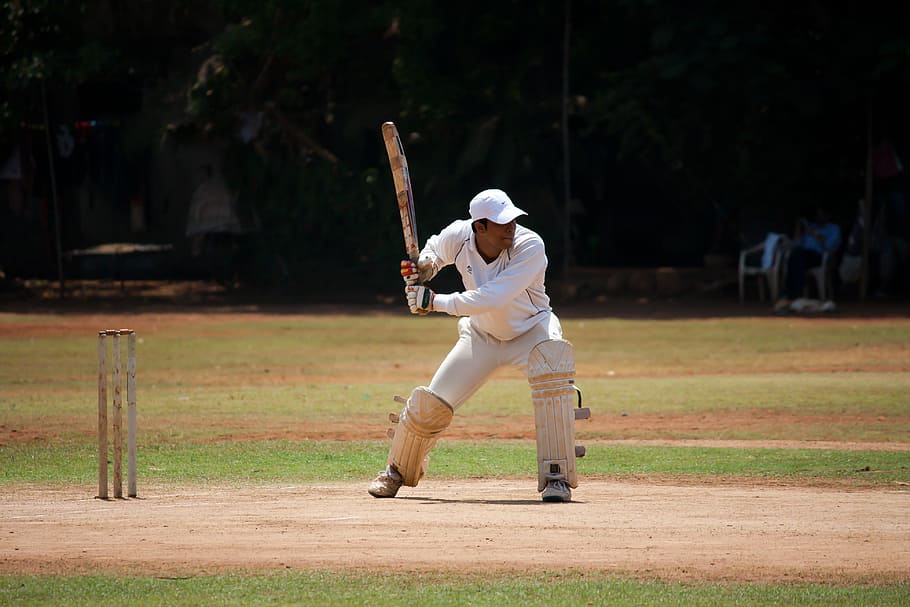
Key Performers and Takeaways
RS Ambrish (India): 4/29 – Controlled the game with his swing and variations.
Ayush Mhatre (India): 53 (27 balls, 6 sixes) – Captain's knock full of intent.
Vaibhav Sooryavanshi (India): 40 (23 balls) – Explosive start to the chase.
New Zealand's lower-order fight was commendable but insufficient against India's bowling depth.
India's bowling unit demonstrated variety and discipline, while the batting lineup showed aggression without recklessness. The team's ability to adapt to rain-affected conditions was impressive.
This result positions India strongly for the Super Six phase, where they will face tougher opposition. Young talents like Mhatre and Sooryavanshi are emerging as future stars, carrying the legacy of Indian cricket's youth development.
 The U19 World Cup 2026 continues to thrill fans with high-quality cricket from the next generation. India's unbeaten run sends a strong message to other teams: the Young Tigers are ready to roar.
FAQ: India vs New Zealand U19 World Cup 2026
Who won India vs New Zealand in the U19 World Cup 2026?
India defeated New Zealand by seven wickets via the DLS method.
What was India's score?
India scored 130/3 in 13.3 overs while chasing the revised target.
What was New Zealand's score?
New Zealand were bowled out for 135 in 36.2 overs.
Who was India's best bowler?
RS Ambrish was India's leading wicket-taker with figures of 4/29.
How many runs did Ayush Mhatre score?
Ayush Mhatre scored an explosive 53 off 27 balls, including six sixes.
How many runs did Vaibhav Sooryavanshi score?
Vaibhav Sooryavanshi made 40 from 23 balls.
Why was the DLS method used?
Rain interrupted the match, reducing the contest to 37 overs per side and requiring the target to be revised under the DLS method.
How many matches had India won in the tournament?
The victory gave India their third consecutive win in the tournament, according to the supplied article.
What is next for India?
India move into the Super Six stage, where they will face tougher opposition in their pursuit of the U19 World Cup title.


Comments
Post a Comment