
Australia Closely Monitoring Nipah Virus Outbreak in India: Health Minister
January 31, 2026 – Canberra, Australia Australia's Federal Health Minister Mark Butler has assured the public that authorities are closely monitoring a recent cluster of Nipah virus (NiV) infections in India's West Bengal state, emphasizing the virus's high severity despite its containment in the source country.
In interviews on January 30, 2026, including with Nine Network and ABC Radio National, Butler stated that Nipah has never been detected in Australia, but the government is treating the situation with utmost seriousness due to its epidemic potential and fatality rate.

"The Indian authorities tell us they've got that outbreak under control, but nonetheless, we're monitoring it very, very closely, because this is a very serious virus," Butler said. He confirmed no changes to existing border protocols for ill travelers, as current screening measures capture relevant symptoms like fever and respiratory issues. The Australian Centre for Disease Control (CDC) echoed this in a January 30 situation update, noting no evidence of international spread or circulation in Australian bat populations.

Federal Health Minister Mark Butler investigating 'souvenir ...
This response comes amid heightened regional concern following two confirmed NiV cases in West Bengal, reported to the World Health Organization (WHO) on January 26, 2026. The cases, involving two 25-year-old nurses (one male, one female) at a private hospital in Barasat, North 24 Parganas district near Kolkata, developed symptoms in late December 2025. Both were confirmed positive via RT-PCR at India's National Institute of Virology in Pune on January 13, 2026. No additional cases have emerged, and 196 traced contacts tested negative, indicating effective containment without community transmission.
The outbreak prompted precautionary measures in neighboring countries: Indonesia strengthened screening at Bali's I Gusti Ngurah Rai International Airport—a key destination for Australian tourists—while Thailand, Malaysia, Singapore, and others ramped up airport health checks ahead of Lunar New Year travel.
"The Indian authorities tell us they've got that outbreak under control, but nonetheless, we're monitoring it very, very closely, because this is a very serious virus," Butler said. He confirmed no changes to existing border protocols for ill travelers, as current screening measures capture relevant symptoms like fever and respiratory issues. The Australian Centre for Disease Control (CDC) echoed this in a January 30 situation update, noting no evidence of international spread or circulation in Australian bat populations.
Federal Health Minister Mark Butler investigating 'souvenir ...
This response comes amid heightened regional concern following two confirmed NiV cases in West Bengal, reported to the World Health Organization (WHO) on January 26, 2026. The cases, involving two 25-year-old nurses (one male, one female) at a private hospital in Barasat, North 24 Parganas district near Kolkata, developed symptoms in late December 2025. Both were confirmed positive via RT-PCR at India's National Institute of Virology in Pune on January 13, 2026. No additional cases have emerged, and 196 traced contacts tested negative, indicating effective containment without community transmission.
The outbreak prompted precautionary measures in neighboring countries: Indonesia strengthened screening at Bali's I Gusti Ngurah Rai International Airport—a key destination for Australian tourists—while Thailand, Malaysia, Singapore, and others ramped up airport health checks ahead of Lunar New Year travel.
What is Nipah Virus? A Deadly Zoonotic Threat
Nipah virus is a zoonotic paramyxovirus in the Henipavirus genus, first identified during a 1998 outbreak among pig farmers in Malaysia. It causes severe, often fatal encephalitis and respiratory illness in humans, with case fatality rates historically ranging from 40% to 75%. There is no approved vaccine or specific antiviral treatment; management relies on supportive care.
The primary reservoir is Pteropid fruit bats (flying foxes), particularly Pteropus medius in South Asia. Spillover occurs via bat urine, saliva, or feces contaminating fruits, date palm sap (in Bangladesh), or direct contact with infected animals like pigs (Malaysia 1998-99) or horses (Philippines). Human-to-human transmission happens through close contact, especially in healthcare settings or among family caregivers, amplified in poorly ventilated, overcrowded facilities lacking proper infection prevention.
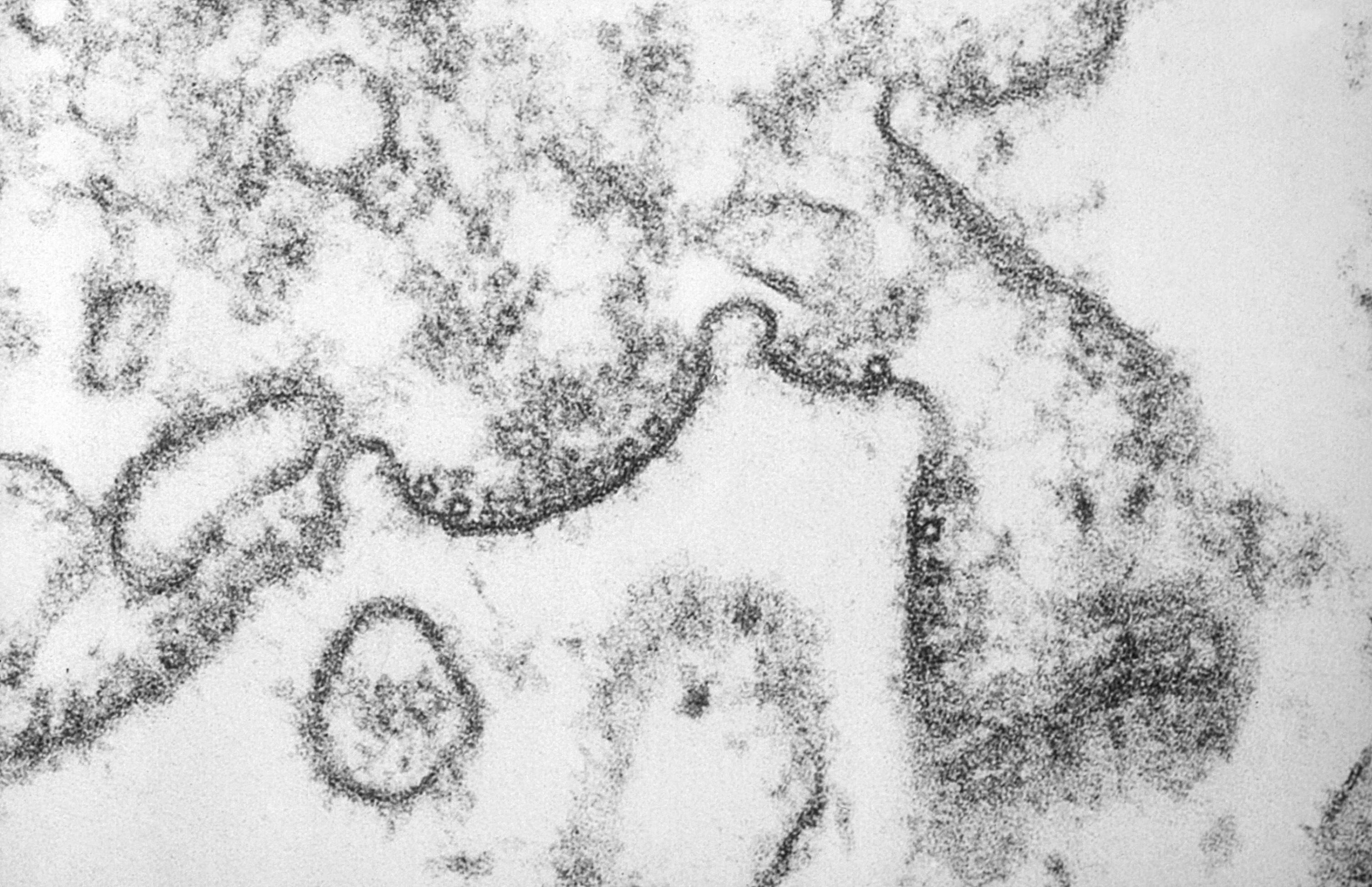

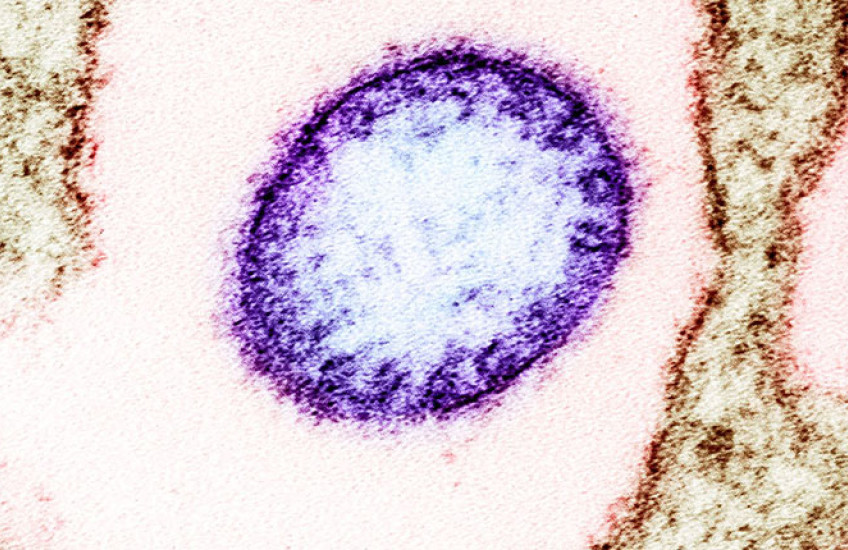
Symptoms typically appear 4-14 days post-exposure (up to 45 days in rare cases): fever, headache, vomiting, sore throat, cough, progressing to disorientation, seizures, coma, and respiratory distress. Survivors may face long-term neurological issues.
The WHO classifies Nipah as a priority pathogen due to its high lethality, transmissibility potential, and lack of countermeasures.
Historical Outbreaks: From Malaysia to South Asia
1998-1999 Malaysia/Singapore: Over 265 human cases, ~40% fatal; linked to pigs fed bat-contaminated fruit. Led to mass pig culling (>1 million) and no further outbreaks in the region.
2001 onwards Bangladesh: Annual seasonal outbreaks (November-March), often via date palm sap contaminated by bats. High human-to-human transmission; fatality ~70%.
India: Sporadic but severe.
2001 Siliguri, West Bengal: 66 cases, 45 deaths (68% CFR); person-to-person spread.
2007 Nadia, West Bengal: 5 cases, all fatal.
Recent focus on Kerala (southern India): 2018 (19 cases, 17 deaths); 2019 (1 case); 2021 (1 death); 2023 (6 cases, 2 deaths); 2025 (4 cases, 2 deaths in Palakkad/Malappuram).
2026 West Bengal cluster: Limited to two healthcare workers; contained rapidly.
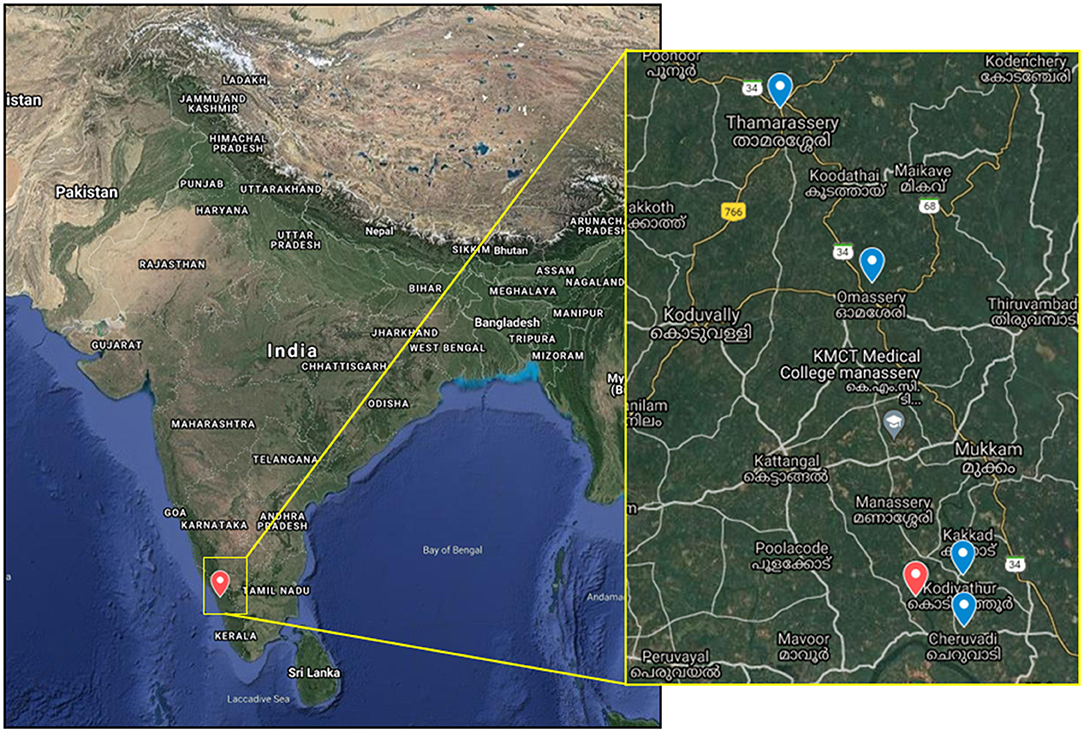
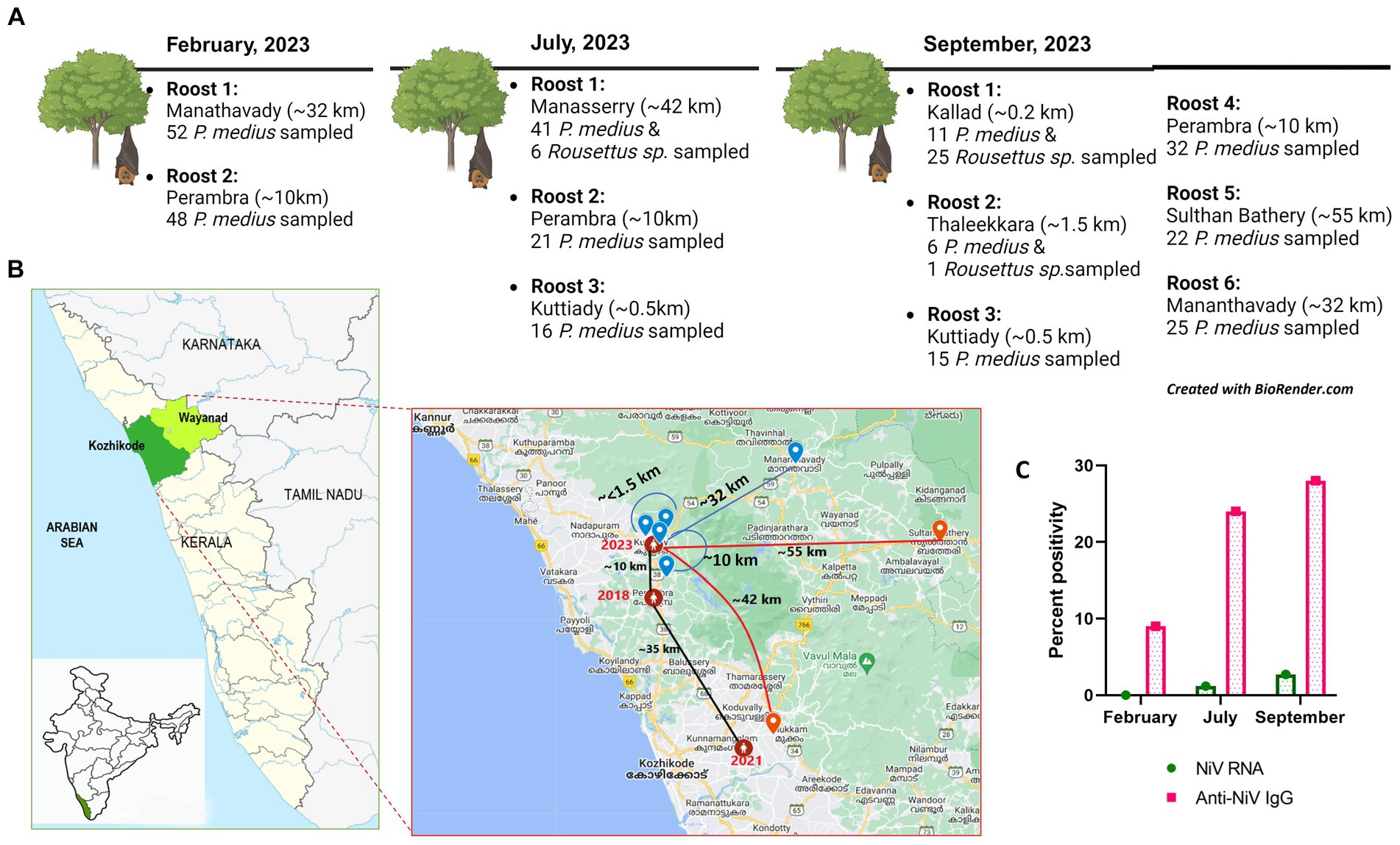

Globally, ~754 cases and >435 deaths reported, mostly in Bangladesh, India, Malaysia, Philippines, and Singapore.
Australia's Position and Risk Assessment
Nipah has never been detected in Australia or its wildlife. Hendra virus, a related henipavirus, circulates in Australian flying foxes but does not cross-react with Nipah diagnostics. The Australian CDC states low risk from the current West Bengal event—no change in geographic range or epidemiology, no international spread evidence.
Protocols for inbound travelers include symptom screening (fever, cough, shortness of breath) via pre-arrival reporting and biosecurity measures. Clinicians in states like Western Australia received alerts on January 30, 2026, to consider Nipah in differential diagnoses for returning travelers from affected areas, though risk remains very low.
Experts note Nipah's limited transmissibility compared to airborne viruses like COVID-19, but its high lethality warrants vigilance. Travel advice focuses on avoiding raw date palm sap, bat-contaminated fruits, and close contact with ill individuals in outbreak zones.
Prevention, Preparedness, and the Path Forward
Key prevention strategies:
Avoid direct bat contact or consumption of potentially contaminated raw foods.
In healthcare: Strict PPE, hand hygiene, ventilation, isolation.
Public health: Rapid contact tracing, surveillance.
Australia's robust systems enable quick response to imported cases. Ongoing global research targets vaccines (e.g., monoclonal antibodies in trials) and antivirals.
This 2026 West Bengal incident, though small, underscores Nipah's persistent threat in endemic regions. Australia's proactive monitoring reflects a "better safe than sorry" approach to emerging zoonoses in an interconnected world.
Comments
Post a Comment