Cashero Review: Lee Jun-ho Shines, But Messy Script Dooms Netflix's Superhero K-Drama.
 Netflix K-drama Cashero Review: Lee Jun-ho Can’t Save This Messy Superhero Spectacle.
December 27, 2025 – Netflix closes out its blockbuster 2025 Korean slate with Cashero, an eight-episode limited series that promised a fresh, grounded twist on the superhero genre.
Adapted from the popular Kakao webtoon by Team Befar, the show stars Lee Jun-ho as Kang Sang-ung, an ordinary civil servant who inherits a bizarre superpower: superhuman strength fueled directly by the cash in his possession. Every punch, lift, or heroic feat literally drains his wallet, turning bills into dust and coins into raining projectiles.
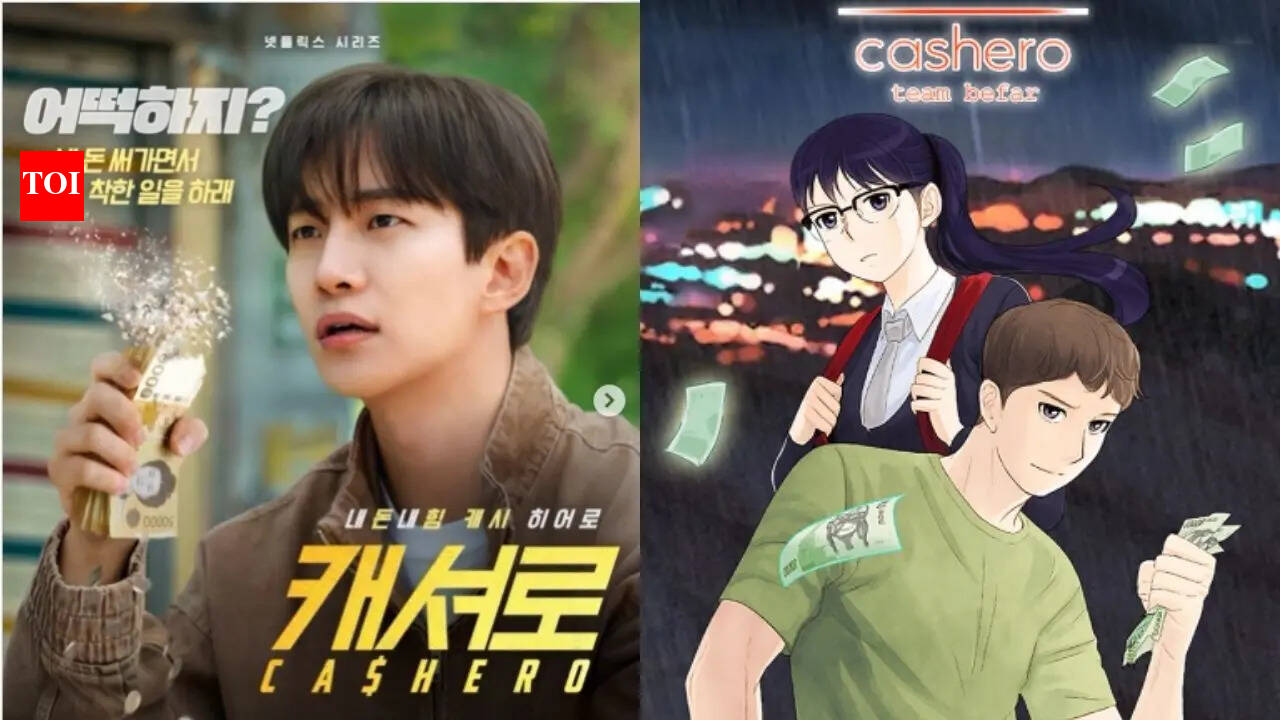
It's a clever hook – heroism tied to financial reality in a society obsessed with property ownership and economic pressure. Sang-ung's dream isn't world domination; it's simply buying an apartment with his longtime girlfriend Kim Min-suk (Kim Hye-jun). Yet despite a compelling concept, strong lead performances, and occasional flashes of inventive action, Cashero ultimately collapses under the weight of messy writing, tonal whiplash, and underdeveloped ideas.
It's a clever hook – heroism tied to financial reality in a society obsessed with property ownership and economic pressure. Sang-ung's dream isn't world domination; it's simply buying an apartment with his longtime girlfriend Kim Min-suk (Kim Hye-jun). Yet despite a compelling concept, strong lead performances, and occasional flashes of inventive action, Cashero ultimately collapses under the weight of messy writing, tonal whiplash, and underdeveloped ideas.
The Premise: Cash as Power – A Brilliant Satire That Runs Out of Fuel
At its core, Cashero subverts the superhero trope by grounding it in everyday Korean anxieties: skyrocketing housing prices, stagnant wages, and the relentless grind of young adulthood. Sang-ung, a mild-mannered community center employee, inherits his ability from his estranged, grumpy father (Kim Byung-chul in a memorable cameo), who gladly passes on the "curse." The more cash Sang-ung carries, the stronger he becomes; using his powers vaporizes the money.
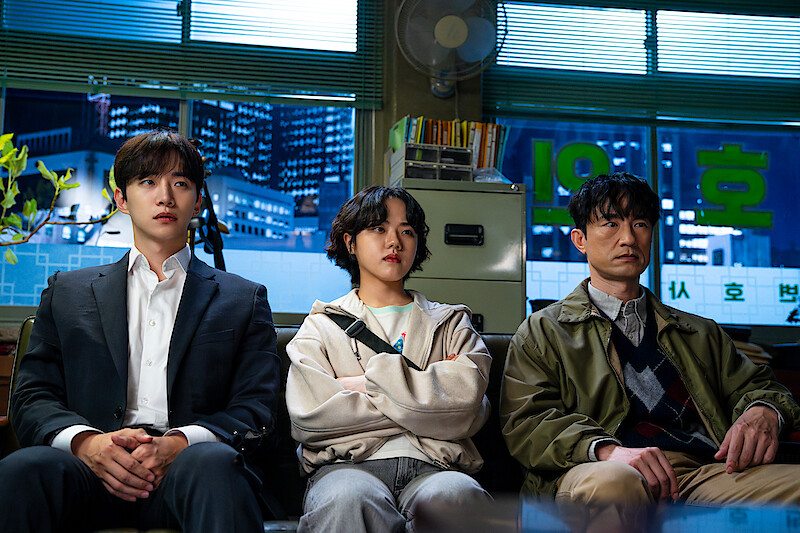 This mechanic shines early on. Visual effects cleverly depict bills disintegrating and coins cascading like rain during fights – a practical device worn by Lee Jun-ho combined with CGI for a tactile, satisfying flair. The satire lands sharply in the first few episodes: Sang-ung hesitates to intervene in crises because saving lives means emptying his savings account. His girlfriend Min-suk, a pragmatic calculator of wedding and housing funds, becomes his reluctant "wallet guardian," adding relatable domestic tension.
 Sang-ung soon allies with other quirky superhumans: Byeon Ho-in (Kim Byung-chul fully embodying the role), a lawyer whose phasing powers activate with alcohol, and Bang Eun-mi (Kim Hyang-gi), a telekinetic fueled by calories (read: endless pastries). They form a ragtag "Korean Association of Superhumans" to protect normalcy from the "Criminals’ Association," a shadowy group led by chaebol siblings Jo Nathan (Lee Chae-min) and Jo Anna (Kang Han-na), who steal and hoard powers for dominance.

The world-building teases a larger universe – time rewinding at the cost of lifespan, memory erasure, health sacrifices – but rarely explores it deeply. Instead, the series rushes into generic villain plots, corporate conspiracies, and over-the-top battles that feel cribbed from Marvel knockoffs like Moving or Western shows like Heroes.
Performances: Lee Jun-ho Carries the Load, But Even He Can't Lift the Script
Lee Jun-ho, fresh off historical triumphs like Typhoon Family, delivers a committed, charismatic turn as Sang-ung. He nails the everyman's reluctance turning into quiet heroism, conveying physical strain in action sequences and emotional vulnerability in quieter moments. His charm grounds the absurdity, making Sang-ung's moral dilemmas feel authentic – a man torn between self-preservation and doing right.
Kim Hye-jun excels as Min-suk, bringing nuance to a role that could have been nagging stereotype. Her financial anxieties and evolving support for Sang-ung's heroism provide the show's emotional core, highlighting relatable couple dynamics amid chaos.
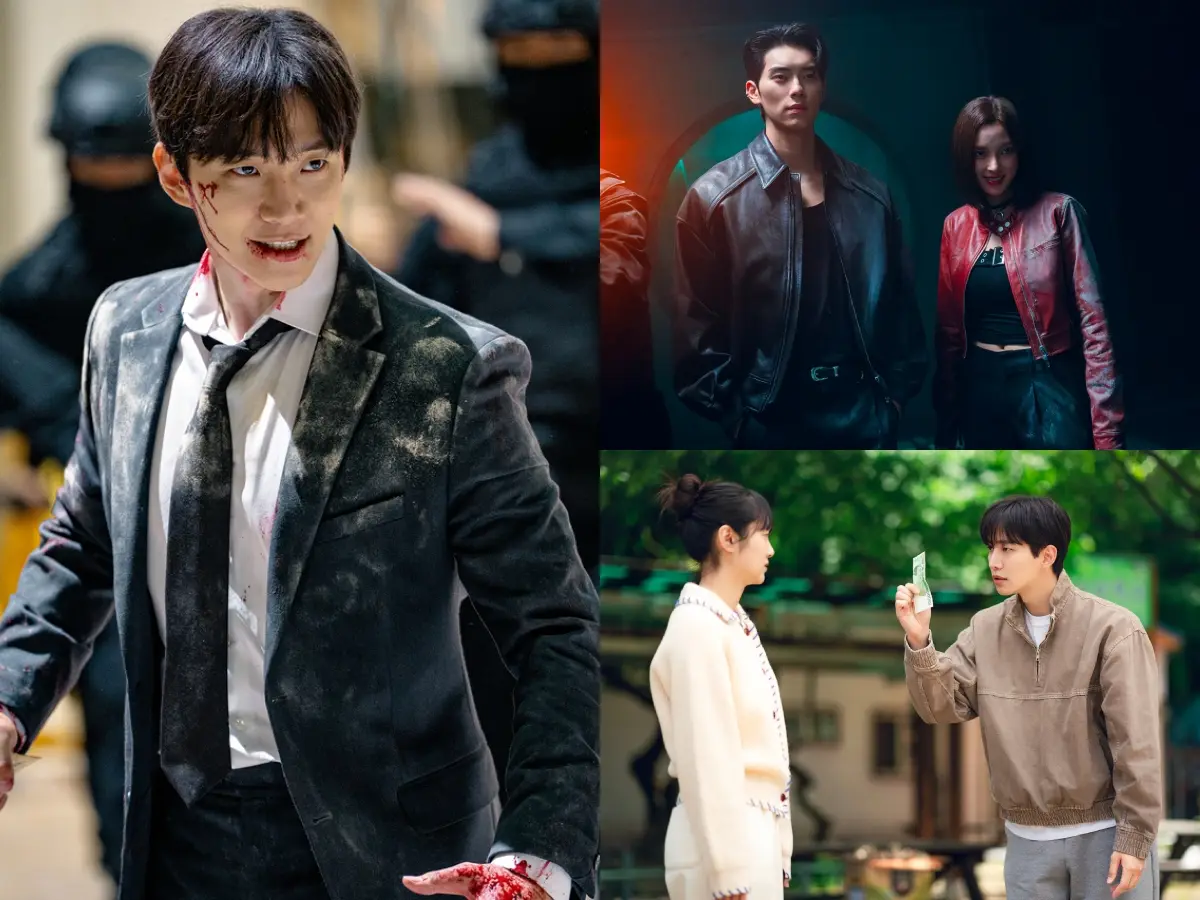
Supporting standouts include Kim Byung-chul doubling as the grumpy dad and boozy lawyer Ho-in, injecting dry humor, and Kim Hyang-gi as the snack-powered Eun-mi, whose caloric telekinesis adds comic relief. Villains Kang Han-na and Lee Chae-min chew scenery effectively as spoiled, power-hungry siblings, with Han-na particularly menacing.
&imwidth=800&imheight=600&format=webp&quality=medium)
Yet no amount of acting prowess can salvage inconsistent characterization. Sang-ung flip-flops between selfish and selfless without clear growth. Side characters like Eun-mi and Ho-in are sidelined after promising setups, reduced to plot devices.
Where It All Goes Wrong: Writing That Squanders Potential
The biggest culprit is the script by Lee Jae-in and Jeon Chan-ho. What starts as sharp social commentary devolves into a garbled mess of genres: workplace dramedy, romantic melodrama, family reconciliation, corporate thriller, and explosive superhero spectacle. Tonal shifts are jarring – one scene debates wedding budgets amid collapsing buildings; the next unleashes gory, high-stakes battles.
Pacing is erratic. The eight-episode run burns through intriguing ideas (the cash mechanic's implications on morality and society) by episode 4, padding the back half with repetitive fights and contrived escalations. Villain motivations are paper-thin: greedy chaebols want more power because... evil? Subplots like Sang-ung's family baggage or the superhumans' coalition fizzle unresolved.
Action sequences, while visually polished with raining coins and practical effects, grow repetitive. Fights lack stakes when powers feel limitless (for villains) or conveniently abundant (for heroes in climaxes). Compared to tighter Korean genre entries like Moving, Cashero feels bloated and directionless under Lee Chang-min's helm.
The finale offers karmic justice – villains undone by their greed, heroes sacrificing for community – but lands predictably. Coins fall symbolically, time rewinds with costs, and Sang-ung finds balance. It's satisfying on paper but emotionally hollow due to rushed buildup.
Visuals and Production: Polished But Generic
Credit where due: production values are high. Seoul locations feel lived-in, effects (especially money disintegration) are creative, and fight choreography emphasizes physicality. The score mixes upbeat heroism with melancholic realism effectively.
Yet the overall aesthetic borrows heavily from prior superhero K-dramas without distinction. It's competent Netflix fare – bingeable in a weekend – but forgettable amid stronger 2025 offerings.
Final Verdict: A Relatable Hero in an Underpowered Story
Cashero had everything for a breakout hit: timely satire on economic inequality, a star like Lee Jun-ho at peak form, and a unique power system tying heroism to materialism. But poor writing – inconsistent tone, wasted characters, rushed plotting – turns potential gold into fool's cash.
Fans of Lee Jun-ho or light superhero action may find enough charm for a watch. His sincere performance and occasional clever moments (Min-suk experimenting with "powered" intimacy, Ho-in's drunken phasing) provide sparks. But for those seeking depth like Moving or emotional punch like The Atypical Family, this is a disappointing miss.
Netflix's 2025 K-drama lineup has been stellar; Cashero feels like the one that ran out of funds too soon.
Rating: 5.5/10
Lead Cast: Lee Jun-ho, Kim Hye-jun, Kim Byung-chul, Kim Hyang-gi, Kang Han-na, Lee Chae-min
Streaming Now on Netflix (All 8 Episodes)
Extended Analysis: Themes of Power, Sacrifice, and Society
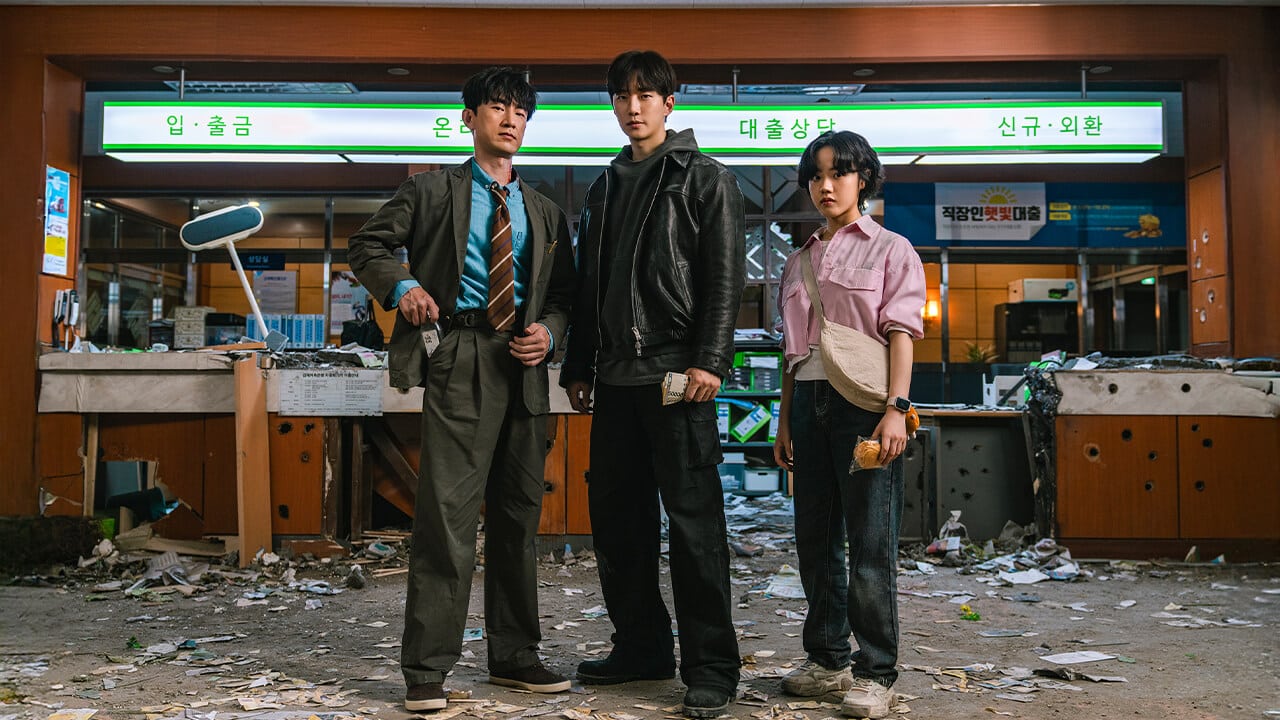
One of Cashero's strongest conceptual threads is how it interrogates power – literal and metaphorical. Sang-ung's ability mirrors real-world inequalities: the wealthy (villains) hoard and exploit, while ordinary folks pay dearly for basic decency. Allies' powers reflect vices/indulgences (alcohol, food), adding ironic commentary on human weaknesses fueling strength.
Yet the show fumbles execution. Social themes – community vs. individualism, corporate greed, generational burdens – are raised then dropped for spectacle. The "Criminals’ Association" embodies unchecked capitalism, but their downfall feels rote rather than cathartic.
Romance between Sang-ung and Min-suk offers grounding: arguments over depleted savings humanize heroism. Their arc, culminating in mutual understanding amid chaos, is the emotional highlight.
Comparisons to Other Superpower K-Dramas
Post-Moving (2023's benchmark), Korean superhero stories struggle to match its emotional depth and tight plotting. Cashero echoes The Atypical Family in family-focused powers but lacks cohesion. It's more akin to lighter entries like Strong Girl Bong-soon, blending romance and action, but without consistent humor.
Globally, it nods to Heroes or Misfits in flawed heroes, but misses their character-driven edge.
Potential for More?
The ending leaves doors open – expanded universe teases, unresolved power origins. Viewer buzz suggests spin-off potential (Eun-mi's calorie adventures?), but messy foundation makes Season 2 risky.
Ultimately, Cashero is a lively but garbled medley – full of ideas, short on follow-through. Lee Jun-ho elevates it, but even idols can't save flawed scripts. Worth a casual binge for star power and gimmick; skip if seeking substance.
Comments
Post a Comment